
Advisory designed for
Advice is cheap until the live operation has to carry it.
Different decision, & the same discipline underneath.
Telecom advisory is only useful when it can survive contact with the live business. The strategy has to land where the operating reality lives: in the charging engine, the care queue, the partner statement, and the variance report finance has to explain.
TAUSPACE advisory starts with the buyer’s decision and works back to the operating reality: what has to change, what has to be proved, what has to be governed, and where platform enablement may help.

How to read this page
Choose the route by the problem on the table.
Some clients are trying to modernise a live operator core. Some are launching a digital brand. Some are banks trying to control mobile revenue and risk. Some are wholesale businesses scaling partner operations. Some are investors trying to understand whether a telecom-enabled opportunity is real.
Different decision, different evidence, different room to walk into. What carries across is the discipline: name the operating question the business actually has, find the evidence, then choose the practice that fits.
Operators
The operator core does not pause for the programme plan.
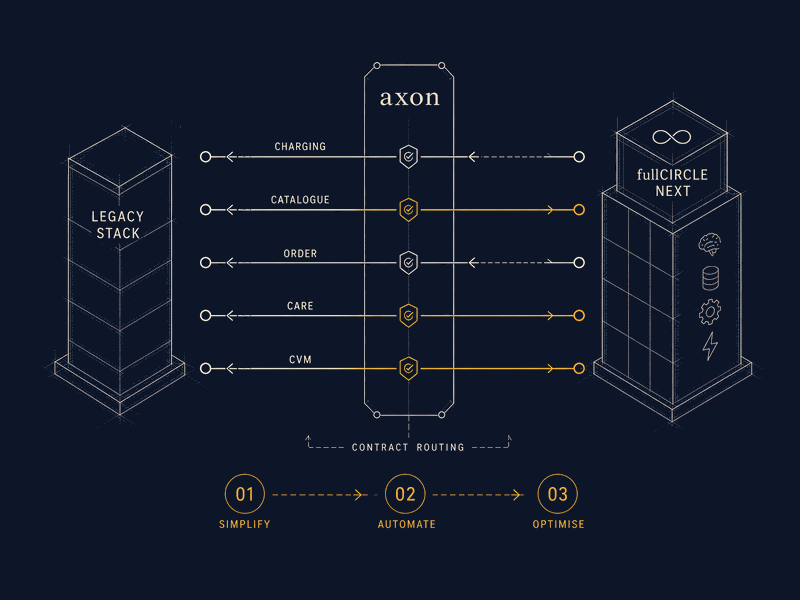
Operators face decisions that are hard to reverse: charging evolution, BSS/OSS migration, product architecture, partner integration, customer-value capability, and the move away from fragile custom estates. Our work sits inside the modernisation programme, testing the business case before the spend lands, naming the risks the status report doesn’t catch, designing the target architecture, and governing the path through the live estate so live operations do not become the hidden casualty of transformation.
What the engagement usually covers
- BSS/OSS architecture and migration
- Programme assurance
- Risk and revenue assurance
- Operating model design
- Strategy and business case
What lands on your desk
- Modernisation roadmap
- Migration risk view
- Architecture options
- Business case assumptions
- Delivery governance model
- Control and assurance plan
Where to go next
MVNOs and Digital Brands
Launch day is not the hard part.
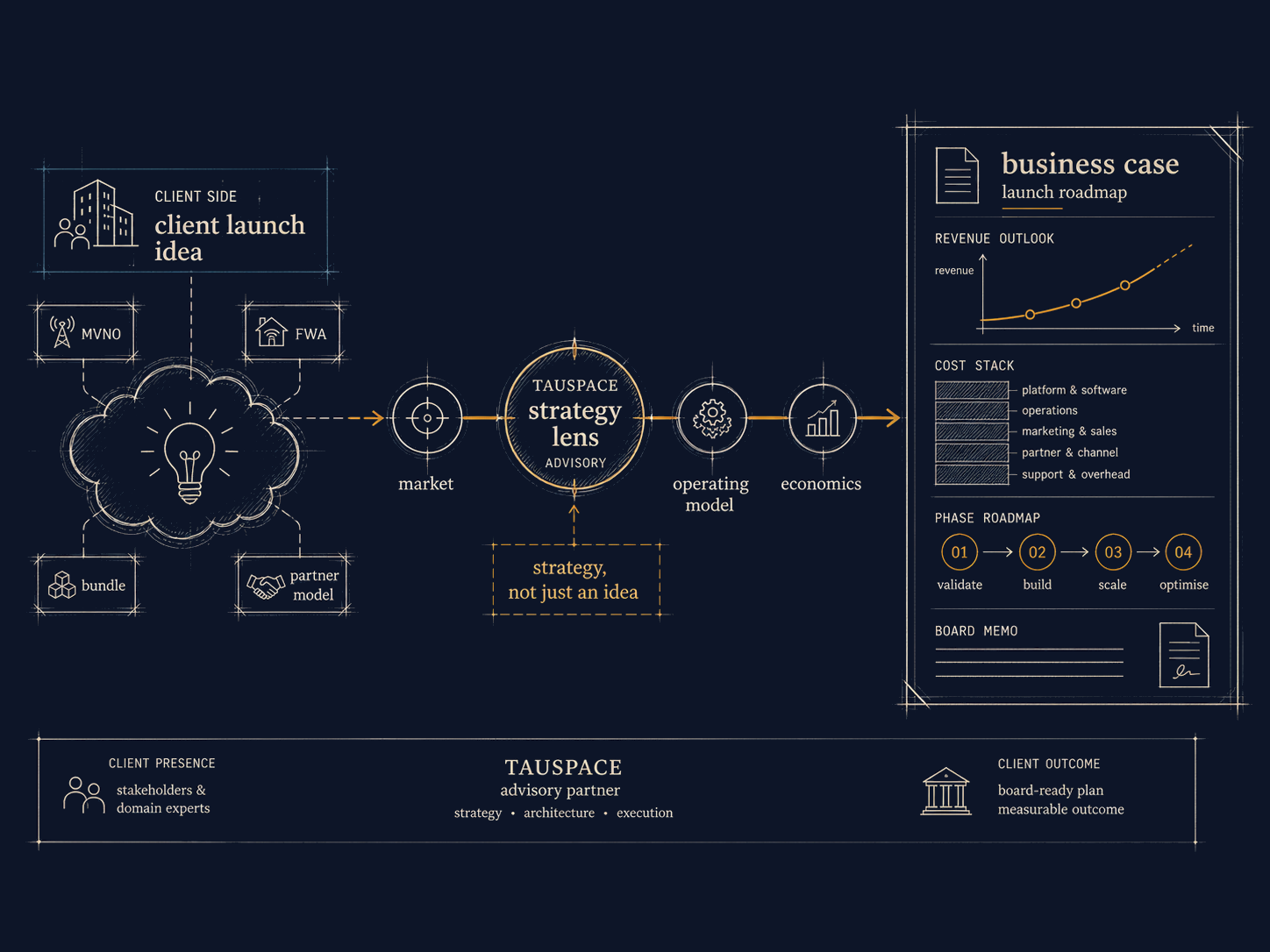
MVNO and digital-brand launches can become too focused on the launch event. The harder question is whether the business can keep working once real customers arrive: activation, recharge, care, offers, partner dependencies, revenue controls, finance evidence, and the backlog of decisions that were deferred to go live. What we carry alongside the launch team is the operating reality the marketing plan won’t surface: the partner exception, the recharge path that doesn’t clear, the offer that doesn’t rate, the customer record nobody owns. We help name them before they become the launch story.
What the engagement usually covers
- Market and business-case validation
- MVNO operating model
- Host-network and partner readiness
- Launch governance
- Revenue and control baseline
- CVM and growth planning
What lands on your desk
- Launch readiness view
- Operating-model design
- Commercial assumption review
- Partner dependency map
- Control and assurance checklist
- Post-launch improvement plan
Where to go next
Banks and Fintechs
Mobile can grow the bank. It can also hide the leakage.
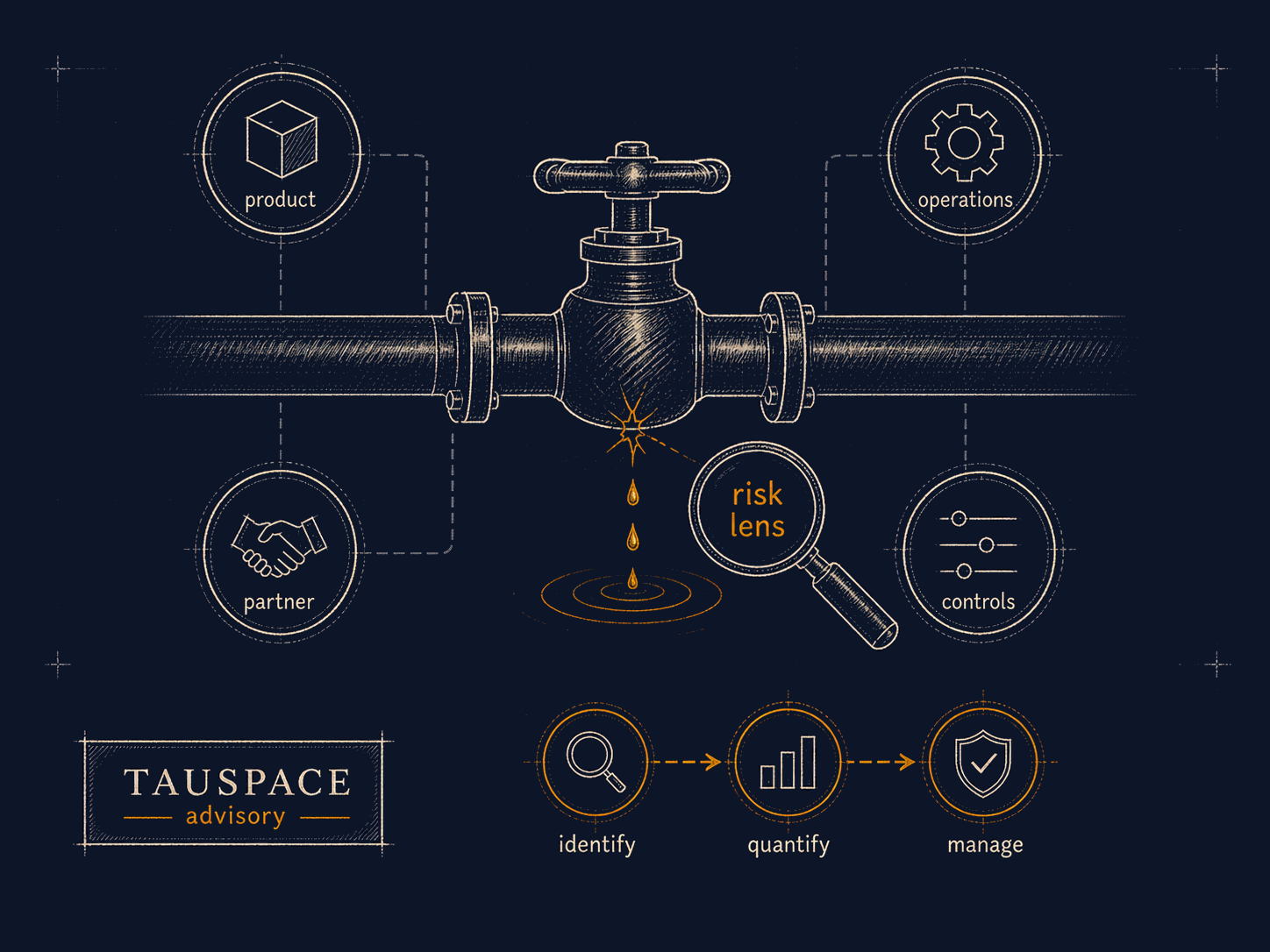
For a bank or fintech, mobile can deepen customer value, widen distribution, and create new service moments. It can also introduce a telecom operating surface that risk, finance, audit, product, and operations have to be able to trust. Our work sits between the mobile programme and the bank’s existing control function. We review the opportunity through both lenses, find the leakage and settlement risk before it lands in a variance report, design the control evidence the bank already expects from every other product line, and name the moments where a platform constraint, not a process gap, is the actual problem.
What the engagement usually covers
- Bank MVNO opportunity review
- Revenue assurance baseline
- Settlement and reconciliation review
- Control evidence design
- Operating model and governance
- Commercial and partner model review
What lands on your desk
- Control evidence map
- Revenue leakage baseline
- Settlement risk view
- Governance recommendations
- Operating model design
- Platform enablement path
Where to go next
MVNEs and Wholesale Businesses
Partner growth should not turn into operational drift.
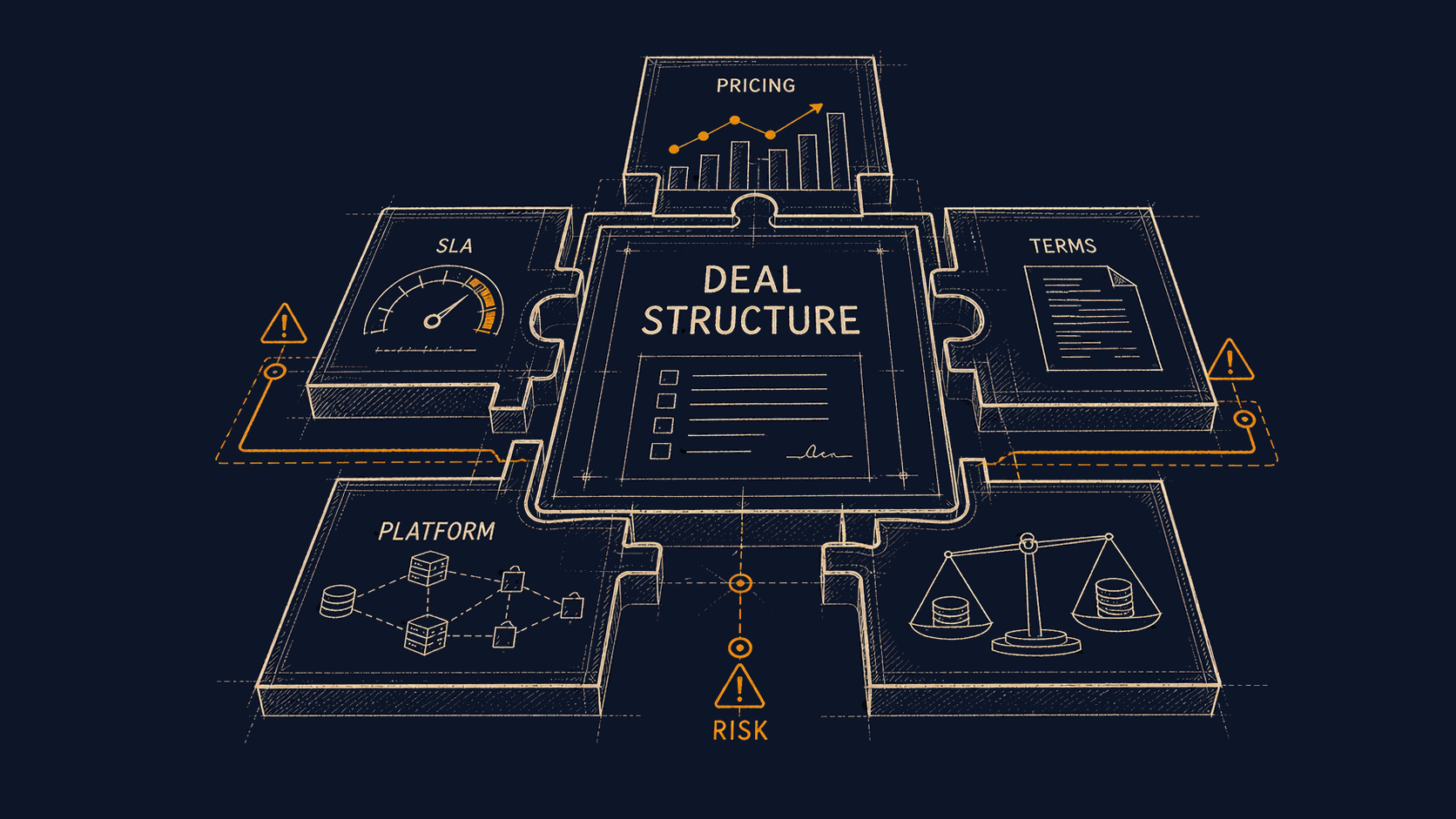
MVNEs and wholesale businesses have to balance speed and control. Every partner wants flexibility, but the wholesale platform and operating model need reusable rules for onboarding, commercial terms, tenant boundaries, settlement, reporting, and service responsibilities. The engagement carries the partner operating model and the commercial model together: an onboarding shape where the second partner doesn’t take twice the work, a tenant governance the host operator’s evidence stays intact through, and a clear naming of the platform requirements that will limit scale before they actually do.
What the engagement usually covers
- Partner onboarding model
- Wholesale commercial design
- Tenant and settlement governance
- MVNO/MVNE launch advisory
- Operating model design
- Programme assurance
What lands on your desk
- Partner operating model
- Commercial and settlement review
- Tenant boundary model
- Onboarding playbook
- Platform requirements
- Assurance plan
Where to go next
ISPs and FWA Operations
FWA looks simple until the operating model has to scale.
FWA and ISP initiatives often start with network reach and market demand. The operating challenge comes next: charging model, product catalogue, service activation, customer support, device flows, payment behaviour, policy, and the business case for scale. Our work tests the commercial case against the operating reality FWA actually has. What device flow, recharge behaviour, and customer support will cost at scale; which platform dependencies the business case skipped; and what launch governance the board can sign off on without taking the operations team by surprise.
What the engagement usually covers
- FWA business case
- Product and pricing model
- Charging and policy readiness
- Customer operations design
- BSS/OSS dependency review
- Programme assurance
What lands on your desk
- Business case review
- Operating model
- Platform dependency map
- Launch roadmap
- Risk and readiness view
- Scale recommendations
Where to go next
Enterprise and Channel-Led Providers
Every channel exception becomes an operating cost.
Enterprise and channel-led telecom models need repeatability without losing commercial flexibility. The challenge is not only the product. It is the route to market: contract structures, partner governance, service boundaries, enablement, reporting, and the controls that keep custom deals from becoming custom operations. The engagement carries the commercial side and the operating side in the same conversation: the deal shape, the partner governance, the service packaging, and the platform requirements that will let the same channel motion run more than once without rebuilding the operation around it.
What the engagement usually covers
- Commercial model design
- Channel operating model
- Service packaging
- Partner governance
- Platform enablement requirements
- Business case and route-to-market review
What lands on your desk
- Commercial structure
- Partner governance model
- Service packaging recommendations
- Channel readiness view
- Platform requirements
- Delivery roadmap
Where to go next
Investors and Transaction Teams
The spreadsheet is not the operating model.
Telecom-enabled investments often look attractive on the spreadsheet before the operating assumptions are tested. Revenue, churn, partner terms, platform dependency, migration cost, service obligations, and control maturity can all change the view of value. Where telecom monetisation, BSS/OSS, customer value, partner operations, or service enablement are material to the value, we sit inside the diligence: testing the assumptions, mapping the platform dependencies, naming the post-deal operating cost, and producing the support pack the IC will actually use.
What the engagement usually covers
- Commercial diligence
- Platform and operating-model review
- Revenue and control risk review
- Partner and wholesale model review
- Growth and CVM assumption review
- Post-deal operating roadmap
What lands on your desk
- Commercial risk view
- Operating assumption review
- Platform dependency map
- Revenue assurance findings
- Post-deal roadmap
- Investment support pack
Where platform enablement may fit
Some advisory findings end at governance. Some point to the platform.
Some findings end at governance, partner terms, operating-model change, or commercial redesign. Some point to a platform constraint.
When the evidence shows the platform side (governed charging, billing, product configuration, customer-value decisioning, partner operations, control evidence), the advisory work connects directly to fullCIRCLE NEXT, Advance.ME, CVM, or the relevant suite. The platform conversation starts from the evidence, not from an assumption.
Talk through the right advisory route.
Tell us the decision, risk, launch, or assurance question on the table. We’ll show you which practice fits and where it connects on the platform side.