

By now, almost every operator, MVNO and ISP agrees on the diagnosis: legacy BSS/OSS slows you down.
What's less obvious is the cure. "Modernise everything" is not a plan. Over 25 years of delivering and rescuing transformation projects, we've learned that where you start is more important than how many buzzwords appear in the strategy deck.
This article is about that first move.
1. The Reality: Complex Stacks, Limited Time
Most of the organisations we work with share the same profile:
- Multiple billing systems gathered over time
- Separate stacks for mobile, fixed, ISP, wholesale and MVNO
- Heavy customisation and one‑off integrations
- Limited windows for changes due to operational risk.
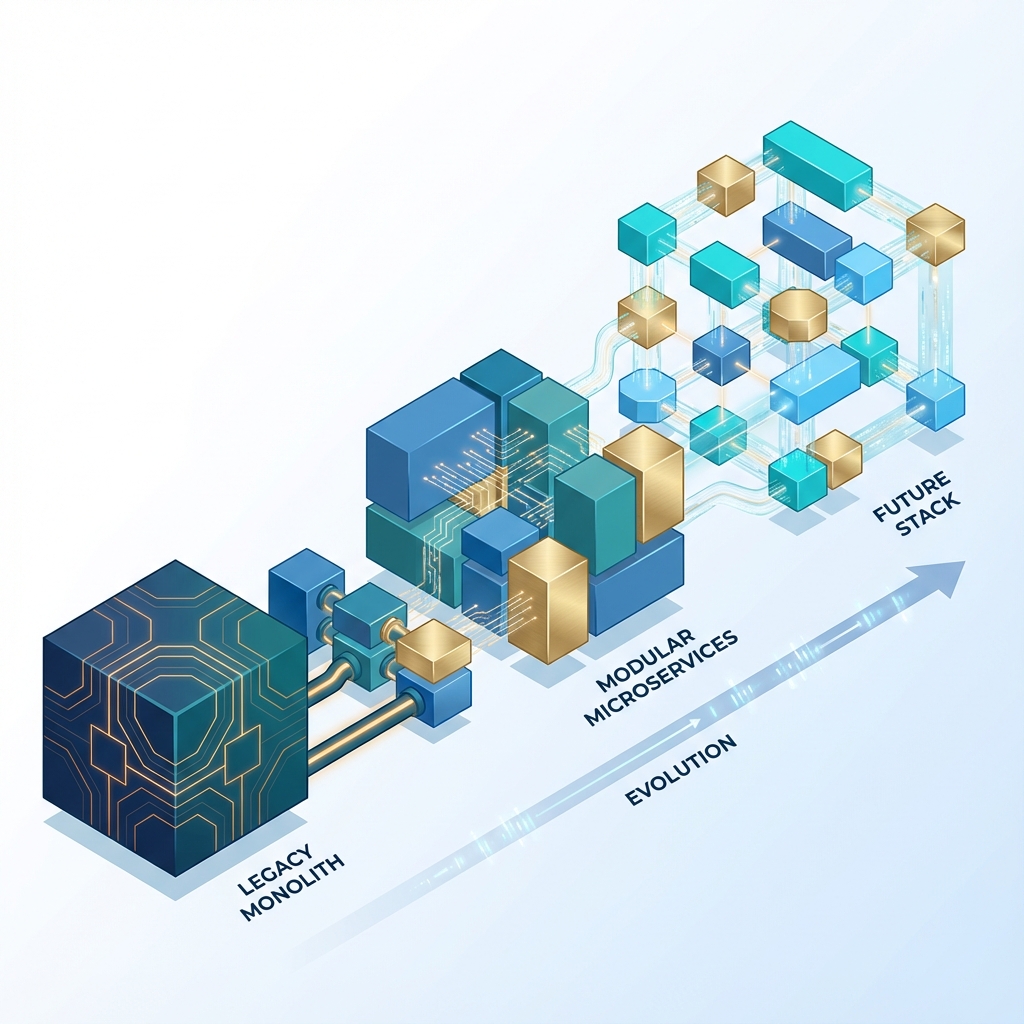
In this environment, a "big‑bang replacement" is not just risky – it's usually impossible. The answer is modular evolution: upgrading the stack domain by domain, guided by clear business outcomes.
2. Four Proven Entry Points
Across operators, ISPs and MVNOs, we've seen four starting points work repeatedly:
Digital sub‑brand or MVNO arm
- Launch a new digital operator or sub‑brand on a clean, modern stack.
- Use this as a low‑risk environment to prove new journeys, offers and tooling.
- Over time, selectively migrate core brands and segments onto the same platform.
ISP / FTTx or fixed business
- Many mobile‑first operators have a second, separate stack for fibre and fixed.
- Consolidating this onto a modern, converged BSS unlocks:
- Single account and invoice
- Multi‑play bundles
- Shared care and CRM.
Wholesale and B2B2X enablement
- If you are supporting MVNOs, resellers or partners, this is often the best starting point:
- Partner lifecycle, settlement, white‑label catalogues.
- This prepares you for B2B2X models that the industry now expects techcos to enable.
Customer‑facing digital experience and order orchestration
- Introduce a modern order capture and orchestration layer on top of legacy systems.
- Keep existing billing in place initially, but ensure:
- Clean, consistent products and order flows
- Fewer fallouts and manual interventions.
Each route allows real transformation without betting the entire business on day one.
3. The First 100 Days: A Practical Playbook
Regardless of the entry point, we structure the first 100 days similarly.

Days 0–30 – Understand and align
- Map 5–7 critical journeys (for example, "new ISP customer", "Bank MVNO activation").
- Identify system boundaries: what must change vs. what can stay for now.
- Establish success metrics: time‑to‑market, NPS, order fallout, cost‑to‑serve.
Days 31–70 – Design and configure the MVP
- Define a lean product model that covers current and near‑term needs.
- Configure BSS components (catalogue, charging, billing, CRM, workflows).
- Design and implement integrations – ideally API‑first and event‑driven.
- Prepare data migration approach for the MVP scope.
Days 71–100 – Test, pilot and prove
- Run comprehensive testing: functional, integration, bill accuracy, performance.
- Pilot with a limited segment:
- A digital sub‑brand, a single region or a friendly MVNO/partner.
- Monitor against the agreed metrics and capture lessons early.
This approach keeps risk controlled while still changing something material in the business, not just on slides.
4. What to Modernise First Inside BSS/OSS
Within the stack, three domains almost always produce an outsized benefit when modernised first:
Product catalogue
- A single, well‑governed catalogue across services and segments.
- Capability to design once and expose products consistently to all channels.
Order management and orchestration
- Clear, traceable orders across sales, provisioning, network and billing.
- Visibility for customers and agents: "where is my order and what's next?"
Charging and policy
- Real‑time charging for data, content, roaming and partner offers.
- Policy control that can support differentiated experiences (for example, Bank MVNO, digital ISP).
These areas are the backbone of fullCIRCLE NEXT, precisely because they are where operators, MVNOs and ISPs realise value fastest.
5. What We've Learned After 25 Years
Three recurring lessons:
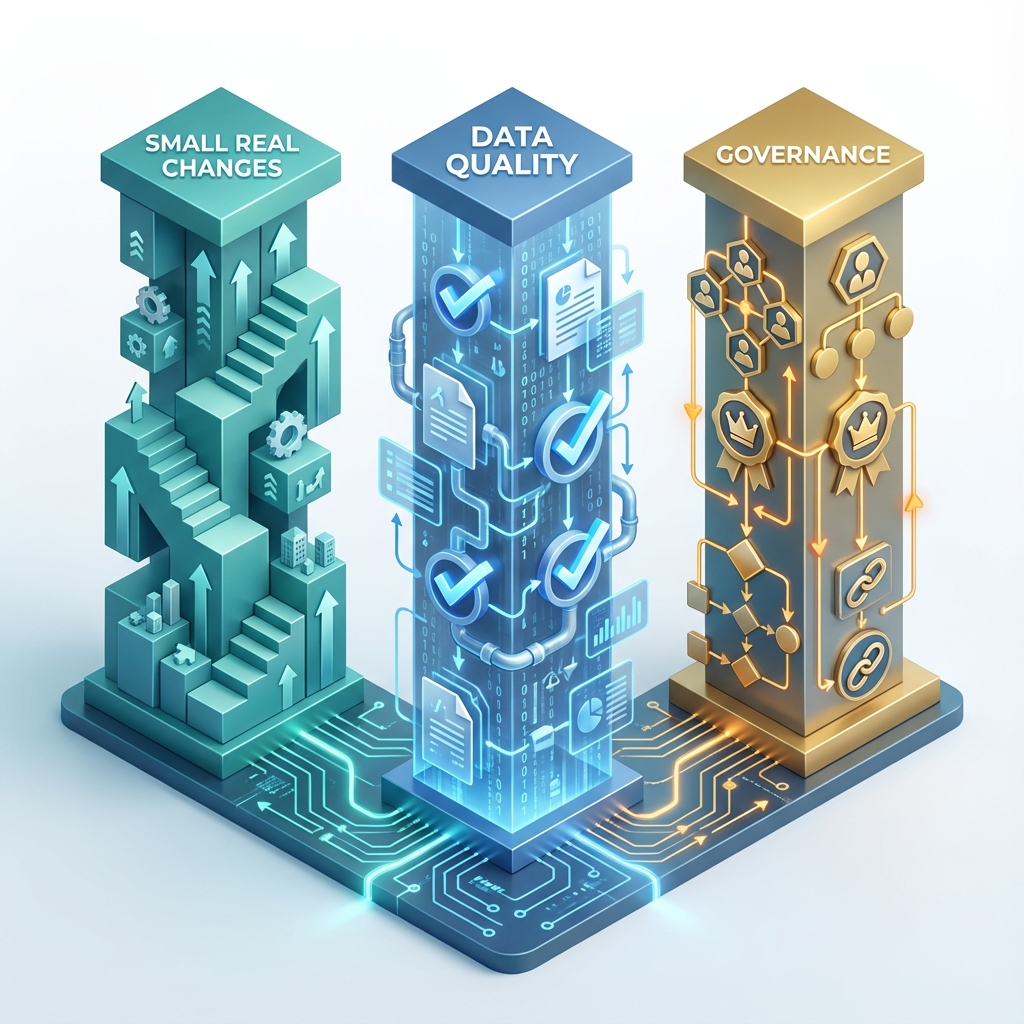
Small, real changes beat perfect designs. Months of debate about the "ultimate target architecture" is time customers don't see improvement. The organisations that succeed are those that ship incremental value every quarter, not those with the most comprehensive strategy documents.
Data quality matters more than you think. Most delays and overruns are caused not by software, but by incomplete, inconsistent or undocumented data. Before you migrate a single customer, invest time cleaning and validating your product catalogue, customer records, and billing history.
Governance is as important as technology. Clear ownership of catalogue, journeys and integrations is as critical as the platform you choose. Without defined accountability for product design, order flows, and API contracts, even the best BSS/OSS will accumulate technical debt.
Modernising BSS/OSS is not about replacing everything you have. It's about choosing the right first move, proving value quickly, and then moving with confidence.
That's how we built fullCIRCLE NEXT – to let you start where it matters most and grow at your pace.
CONSIDERING WHERE TO START WITH YOUR OWN BSS/OSS MODERNISATION?
See how fullCIRCLE NEXT supports modular evolution
Let's talk and see how we can help you scale a steady stream of new leads, customers and revenue.
Get a Proposal