


The Role of Spectrum Policy in Shaping Affordable Telecoms
Understanding the Cost of Connectivity
Several factors influence pricing: infrastructure costs, spectrum licensing fees, taxes and levies, operational costs, and competition levels.
The Role of Spectrum Policy
Governments control radio spectrum — a finite resource essential for wireless communication. Their allocation approach profoundly impacts telecom affordability.
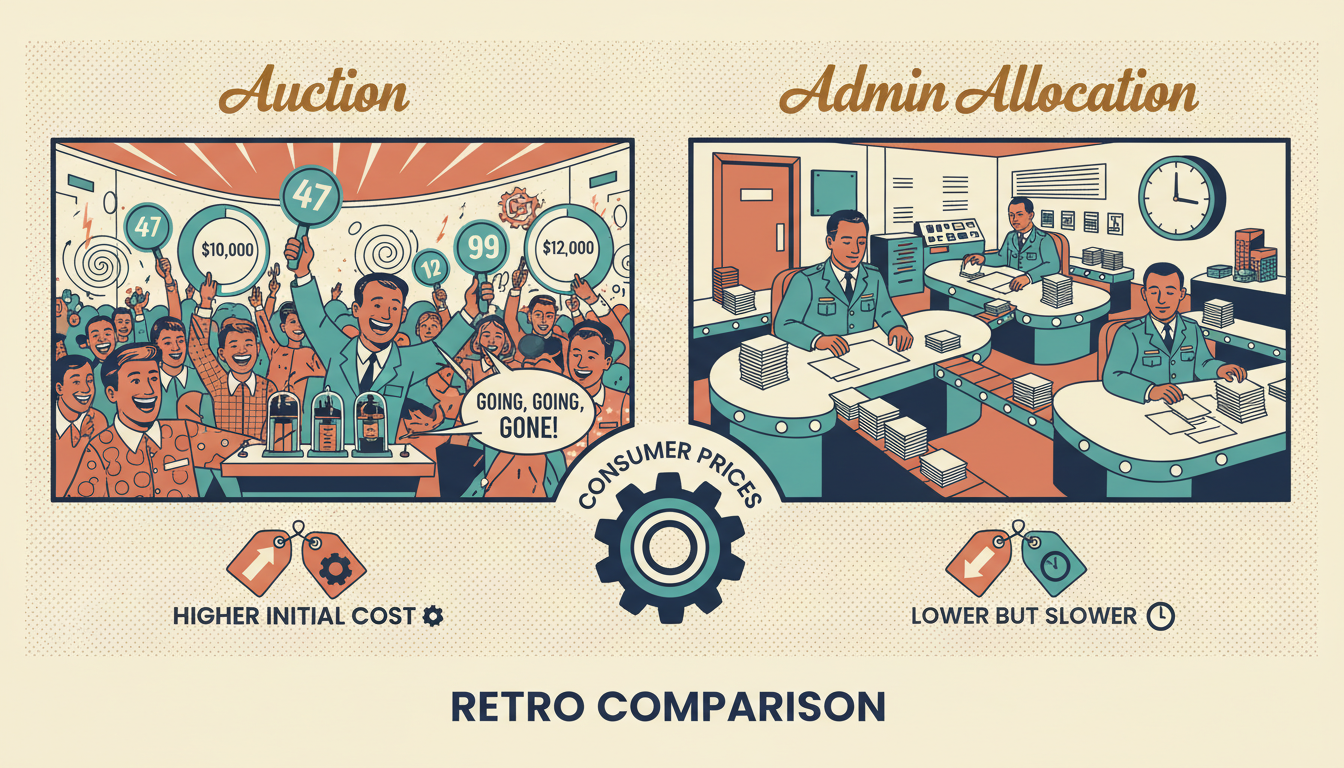
- Spectrum Auctions vs. Administrative Allocation: Auctions generate government revenue but raise spectrum costs passed to consumers
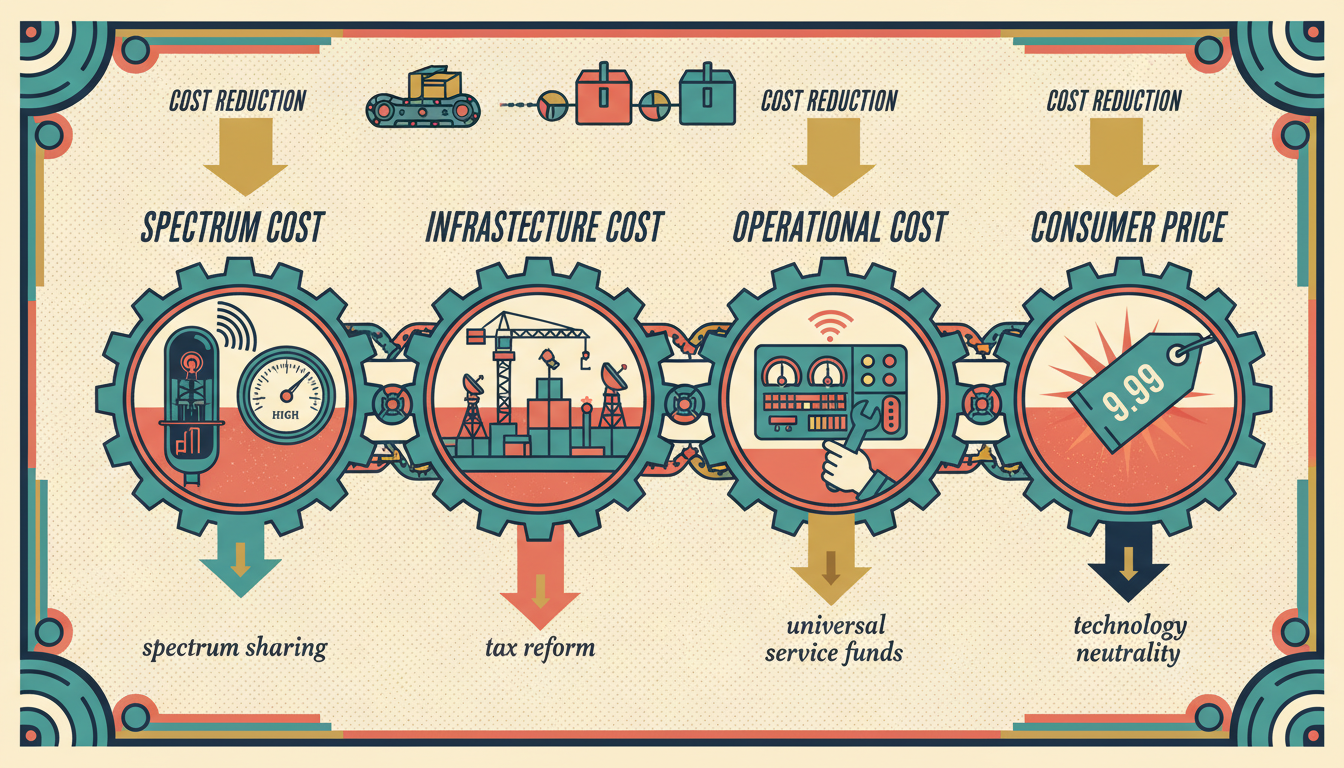
- Spectrum Sharing: Multiple operators using the same frequency band improves efficiency
- Spectrum Caps: Limits on individual operator holdings promote competition
- Spectrum for Rural Connectivity: Dedicated bands encourage network expansion into underserved areas
The Road to Affordable Telecoms
- Infrastructure Sharing: Reduces capital and operational costs
- Universal Service Funds: Subsidizes rural network expansion
- Tax Reforms: Reduces affordability barriers
- Regulatory Reforms: Streamlines licensing and promotes competition
- Technology Neutrality: Encourages innovative, cost-effective solutions like Open RAN
- Community Networks: Supports community-owned networks in remote areas
- Affordable Devices: Increases smartphone availability for internet access
Conclusion
Addressing cost drivers, implementing sound spectrum policies, and embracing innovation can bridge Africa's digital divide, creating more accessible and affordable telecommunications for all populations.