

The Road to Global Energy Independence
Energy powers modern societies — from homes and industries to transportation and digital infrastructure. However, dependence on fossil fuels creates geopolitical tensions, price volatility, and environmental damage.
Why Energy Independence Matters
- Security: Reduces vulnerabilities to supply disruptions and geopolitical conflicts
- Economic Stability: Shields economies from global energy market volatility
- Environmental Sustainability: Transitioning to renewables combats climate change
- Technological Innovation: Drives innovation in renewable technologies and smart grids
- Equity: Expands access to reliable, affordable energy
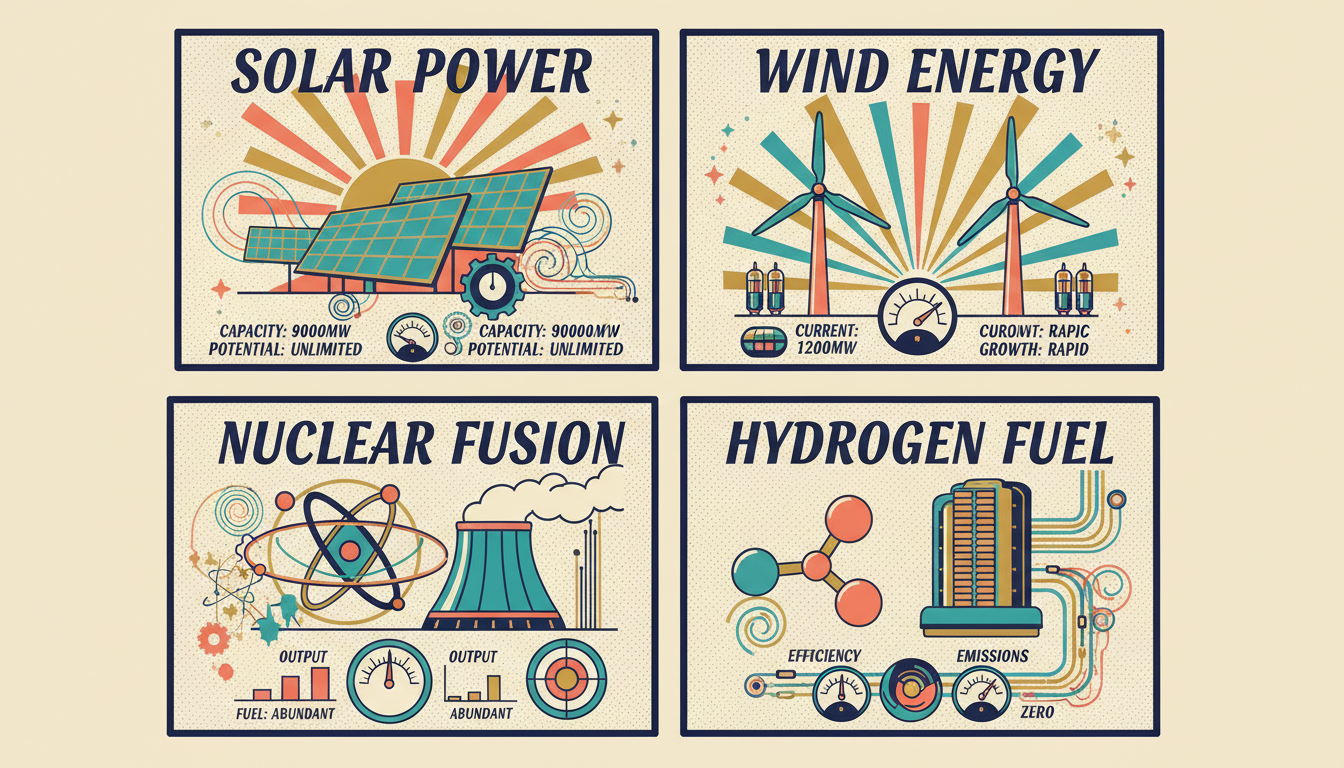
The Renewable Energy Revolution
Renewable sources increasingly replace fossil fuels, driven by reduced technology costs, storage innovations, climate urgency, and public demand.
Global Efforts
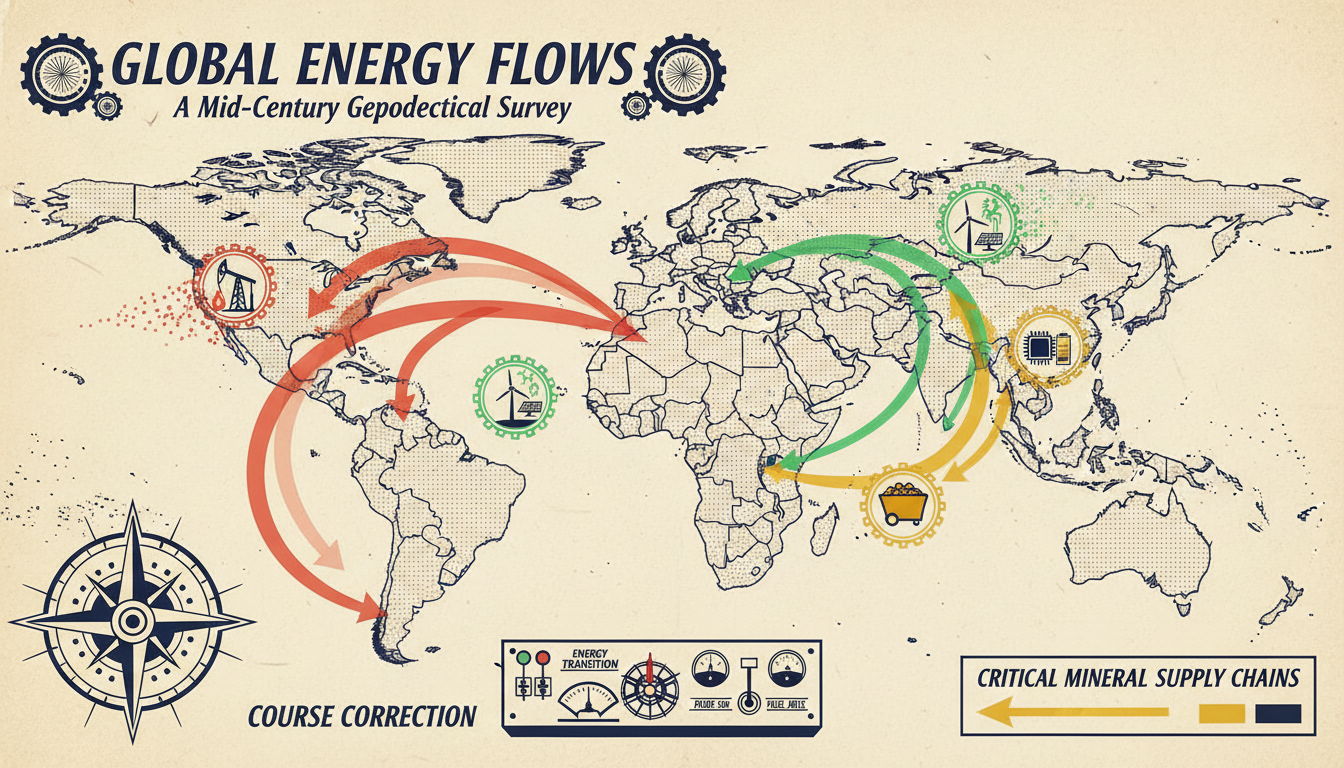
- China: Global renewable leader, targeting carbon neutrality by 2060
- European Union: Targeting 32% renewable energy by 2030
- United States: Growing renewable investments
- India: Targeting 500 GW non-fossil fuel energy by 2030
- Developing Nations: Leapfrogging fossil fuel infrastructure
Challenges and Opportunities
Challenges: Intermittency requiring storage, costly infrastructure upgrades, and need for consistent political will.
Opportunities: Energy storage advances, job creation, and collaborative cost reduction.
Conclusion
Achieving global energy independence requires collaboration among governments, businesses, communities, and individuals through renewable energy investment and international cooperation.