


Overcoming Infrastructure Barriers in Africa: The Path to Universal Connectivity
Africa possesses significant potential for digital transformation with its young, technologically-oriented population. However, substantial infrastructure challenges prevent the continent from achieving comprehensive connectivity.
State of Connectivity: Africa's Challenges
Limited and Costly Terrestrial Infrastructure — Despite fiber network expansion, extensive portions remain disconnected. High deployment costs make expanding internet access an enormous undertaking.
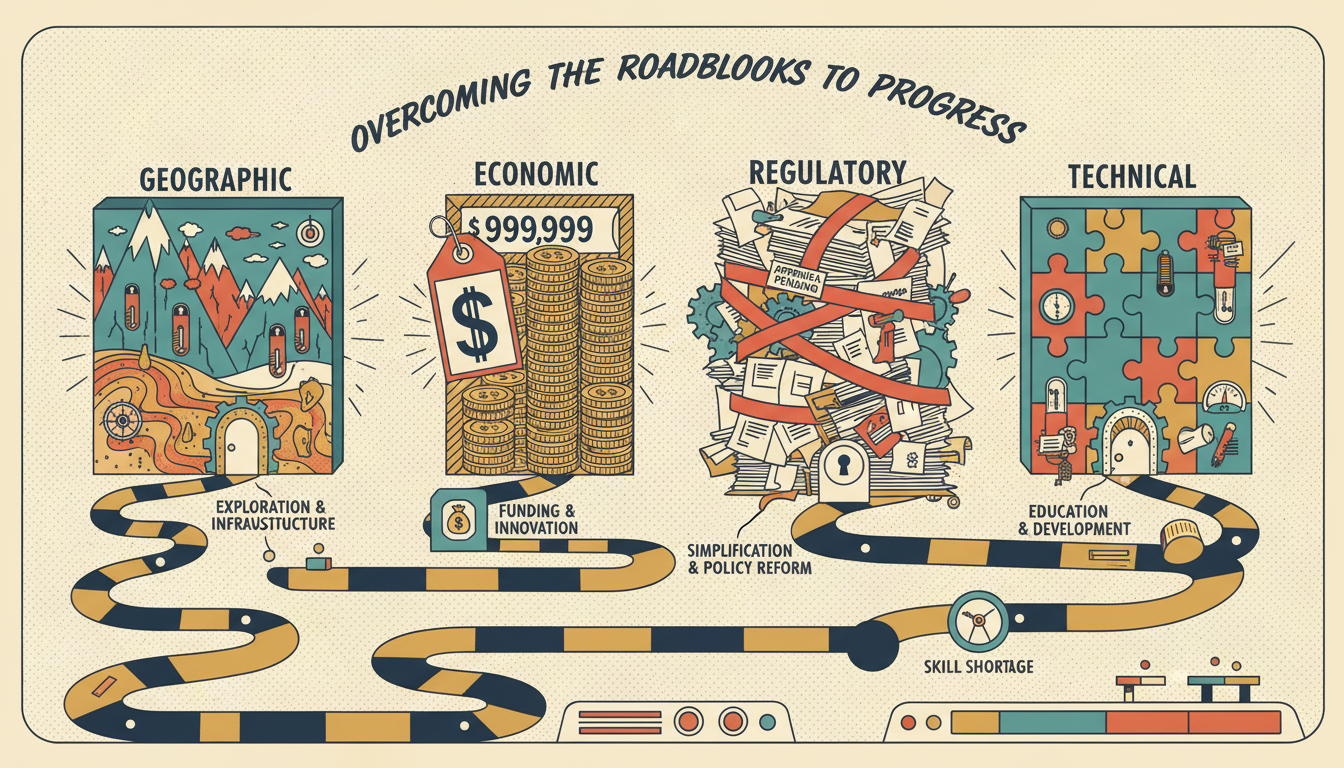
Reliance on Outdated Technologies — Many areas depend on 2G and 3G networks, hindering access to modern services.
Undersea Cable Vulnerability — The continent depends heavily on limited undersea cables. Disruptions have severe cascading consequences.
The Energy Gap — Unstable power infrastructure complicates operating telecommunications equipment efficiently.
Regulatory Hurdles — Unclear regulatory frameworks, elevated spectrum expenses, and complex licensing processes discourage investment.
Bridging the Gap: Solutions
Investment in Last-Mile Infrastructure — Fiber expansion, wireless innovations including low-earth orbit satellites, and public-private partnerships.
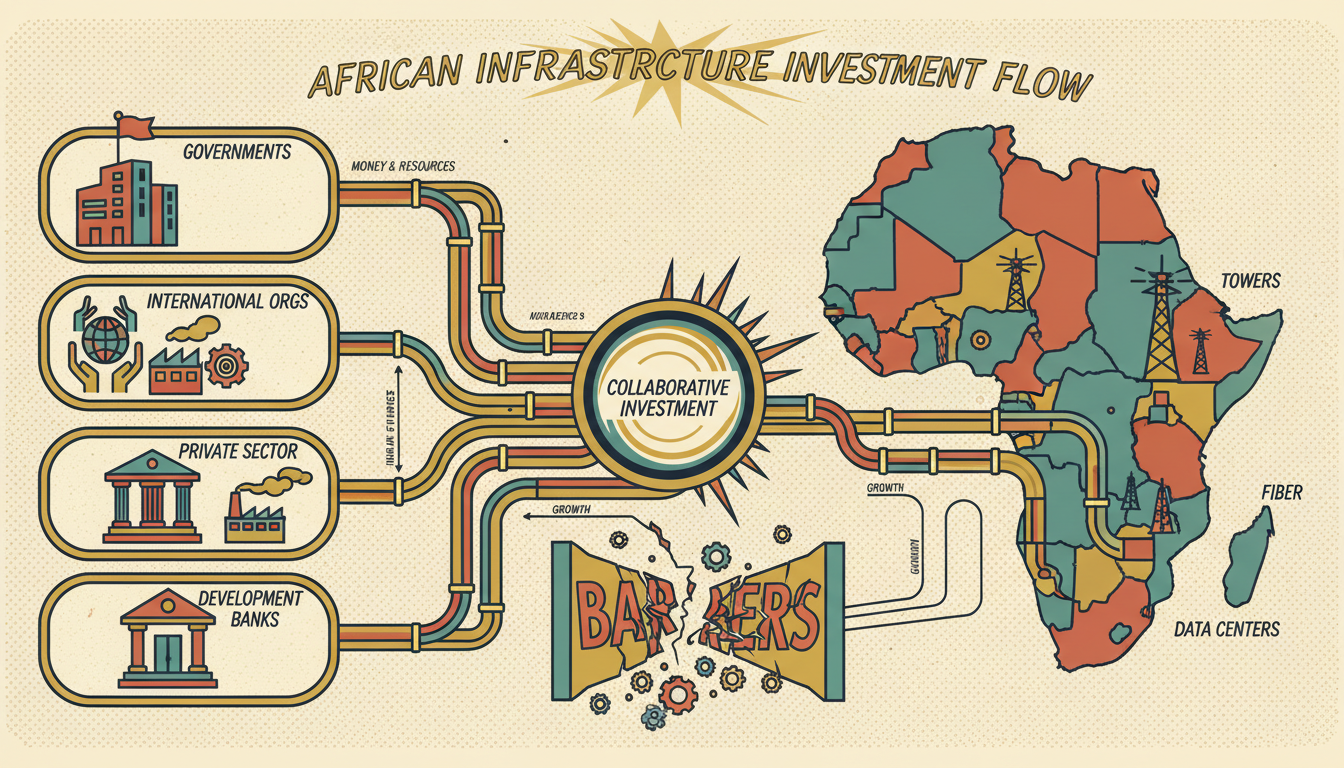
Undersea Cable Expansion — Additional cables positioned strategically with local landing facilities for redundancy.
Open Access Infrastructure — Sharing towers, ducts, and dark fiber decreases costs and encourages competition.
Tackling the Energy Challenge — Off-grid renewable solutions and energy-efficient technologies.
Enabling Regulatory Environment — Spectrum reform, tax incentives, and streamlined processes.
Benefits of Universal Connectivity
- Economic Empowerment: Digital commerce, business creation, and global market participation
- Education Transformation: Distance learning platforms and online instruction reaching underserved populations
- Improved Healthcare: Remote medical services and virtual consultations
- Empowered Governance: Digital government platforms and civic involvement
- Social Inclusion: Connectivity eliminating geographical boundaries
Conclusion
Resolving infrastructure obstacles toward universal connectivity demands coordinated effort between state authorities, business organizations, and grassroots innovators.