


Navigating Data Privacy for Effective Telecom Fraud Prevention
The Challenge: Balancing Security with Privacy
Telecom companies gather extensive personal data including names, addresses, phone numbers, usage patterns, location information, and financial details. While this information enables advanced fraud detection, it raises significant privacy concerns.
The Regulatory Landscape
Data protection frameworks including GDPR (Europe), CCPA (United States), and POPIA (South Africa) establish strict requirements governing data collection, storage, and usage.
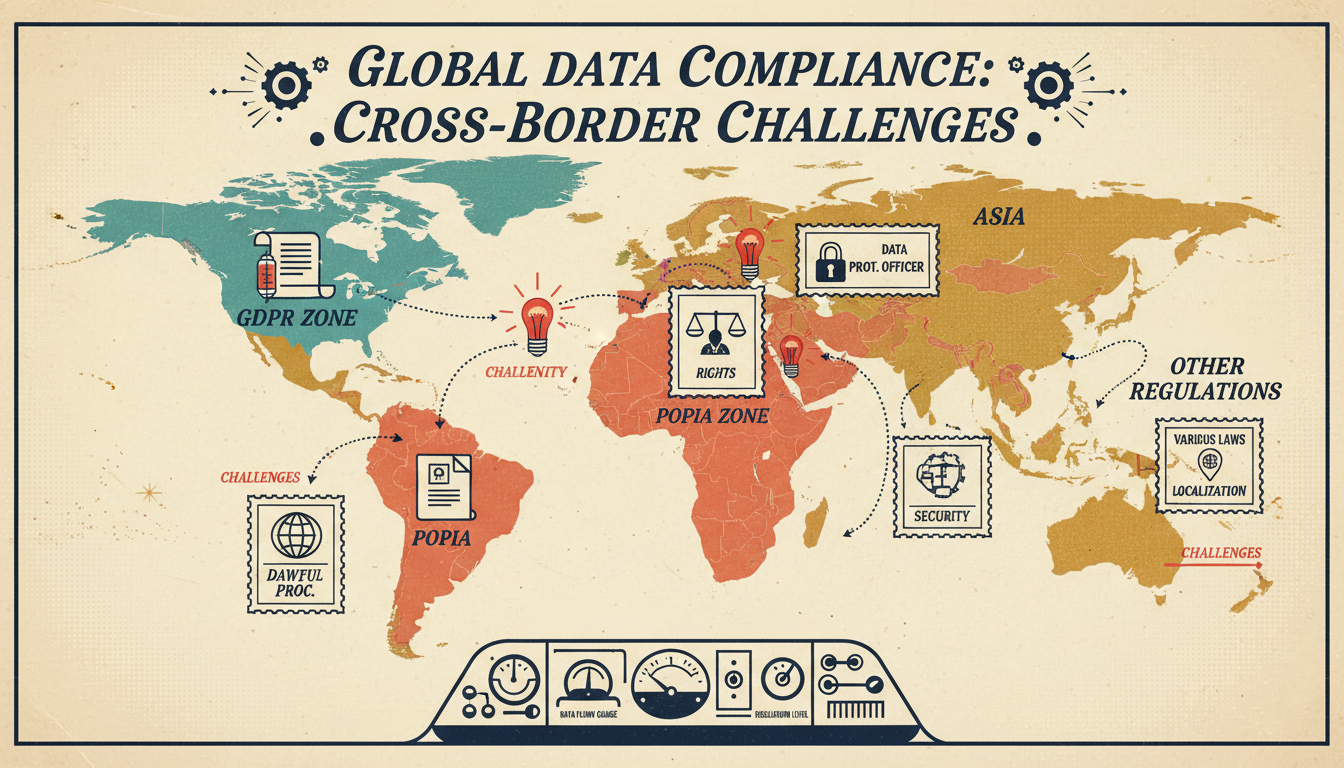
Strategies for Telcos
1. Transparency and Consent-Based Data Collection — Clear communication about data collection, usage, and access rights.
2. Data Minimisation and Anonymisation — Limiting data collection to essential fraud prevention purposes with anonymisation techniques.
3. Purpose Limitation and Data Retention — Data collected for fraud prevention serves only that purpose with clear retention policies.
4. Security Measures and Data Breach Prevention — Robust cybersecurity infrastructure and rigorous governance practices.
5. User Education and Awareness — Helping customers understand their data usage through communications and customer service.
Leveraging Technology
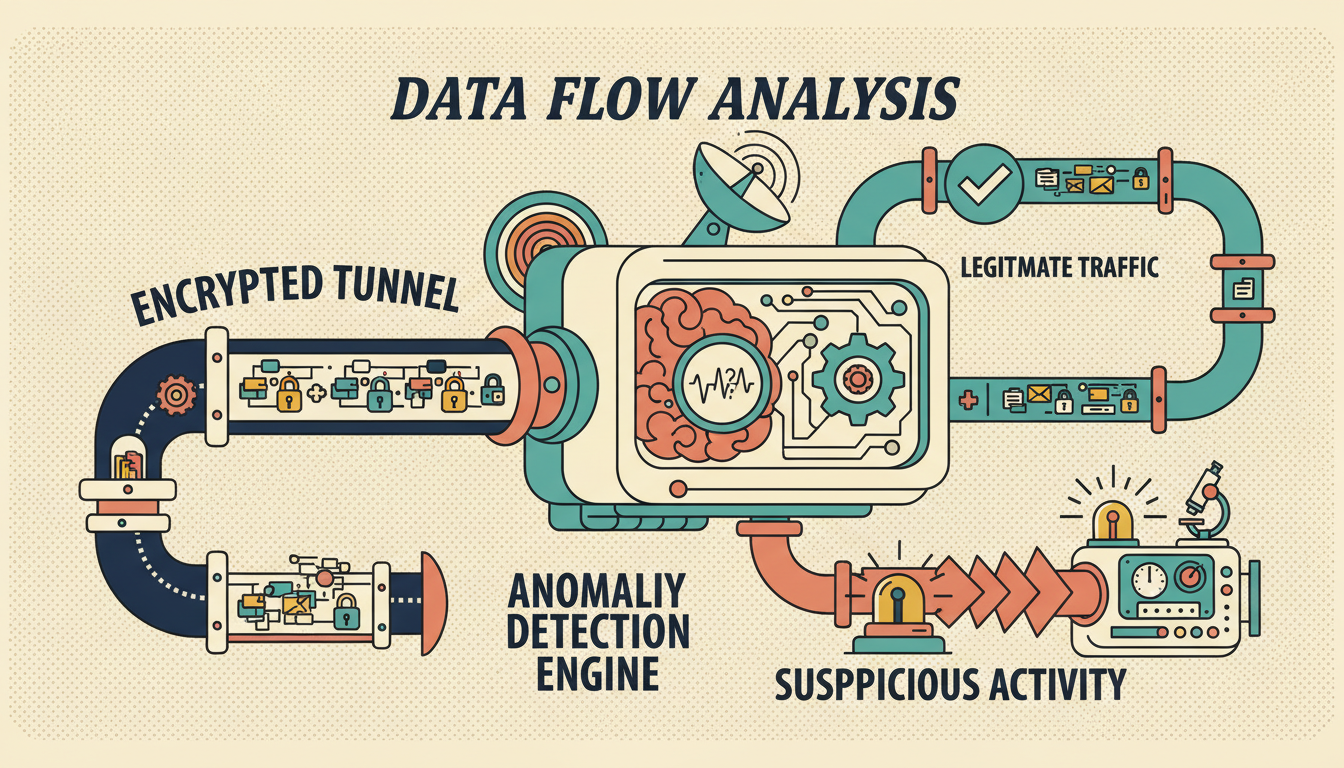
- Federated Learning: Multiple parties train ML models on decentralized datasets without sharing raw data
- Homomorphic Encryption: Computations on encrypted data without decryption
- Differential Privacy: Statistical noise added to datasets while preserving analytical integrity
Conclusion
By prioritizing transparency, implementing robust data governance, and adopting privacy-enhancing technologies, telecommunications providers can balance security with privacy protection.