


How Telecoms Can Communicate Sustainability and Empower Eco-Conscious Consumers
Why Sustainability Matters for Telecoms
The telecommunications industry carries a substantial environmental burden through base stations, data centers, and electronic devices. However, the sector also possesses unique opportunities to drive meaningful change through enabling smart cities, reducing transportation emissions, and supporting sustainable practices.
Transparency, Communication, and Credibility
Building consumer trust requires clear communication about environmental impact:

Eco-Friendly Device Ratings: Transparent device evaluations based on energy efficiency and repairability help consumers make informed choices.
Device Buy-Back Programs: T-Mobile's Device Reuse and Recycling program collected over 14 million devices for reuse, resale, and recycling.
Carbon Footprint Tools: Belong, Australia's first fully carbon-neutral telco, launched the 'Carbon Thumbprint' app enabling users to assess their personal environmental impact.
Green Partnerships: Optus redesigned SIM card packaging to save 50 tonnes of cardboard annually while recycling 98.5% of provider waste.
The Consumer's Role in Telecom Sustainability
Consumers significantly influence industry sustainability through:
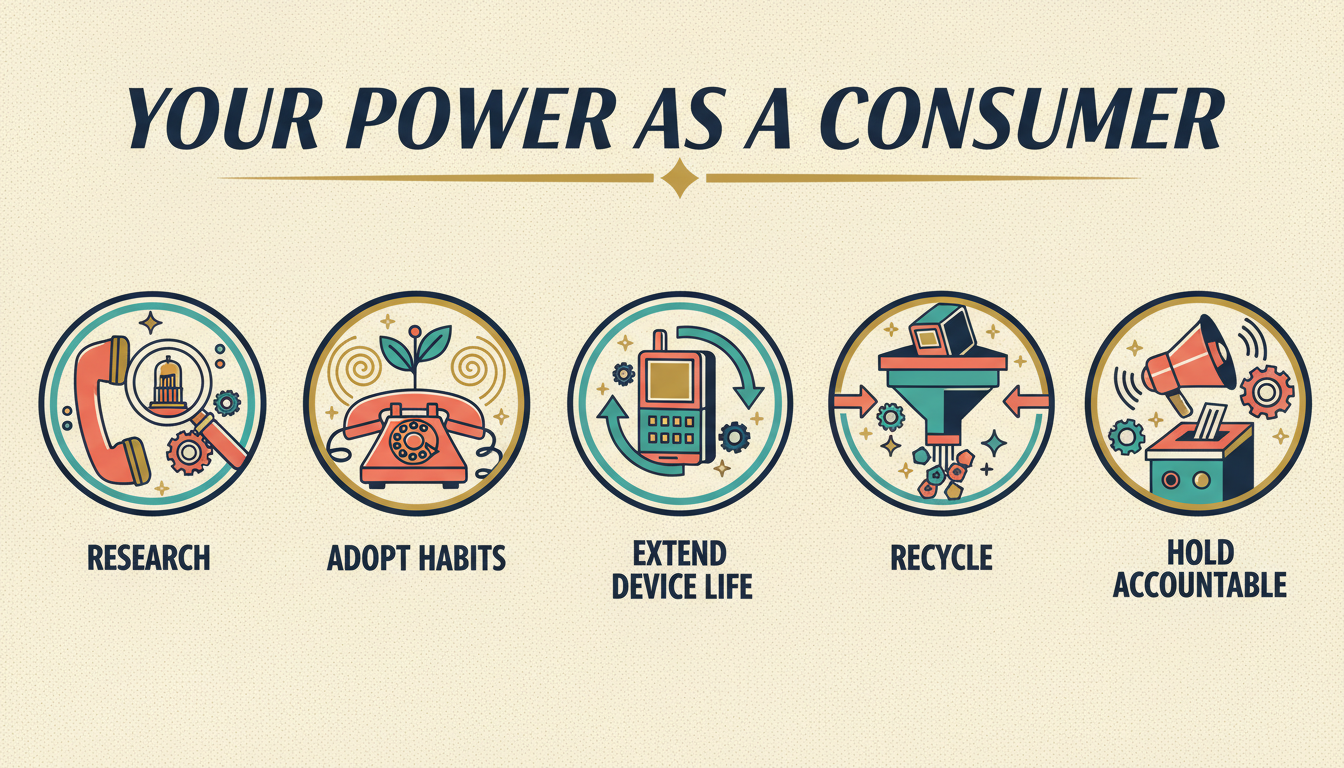
- Researching environmental practices before selecting telecom providers
- Adopting sustainable practices such as minimizing data usage and closing unused applications
- Extending device lifecycles through proper care and repair services
- Participating in official recycling programs
- Holding companies accountable through feedback and advocacy
Conclusion
Effective sustainability communication builds trust with environmentally conscious consumers and drives positive environmental change. Through collective responsibility, a greener telecommunications industry becomes achievable.