


How a Lack of Cybersecurity is Stifling Africa's Digital Renaissance
Africa's Digital Ascent
Africa has experienced remarkable digital adoption over the past decade. Mobile technology has been instrumental in extending digital services across the continent, with over 400 million mobile subscriptions in Sub-Saharan Africa alone. Mobile banking, e-commerce, telemedicine, and e-learning are transforming how Africans live and work.
While these opportunities promise economic growth and job creation, they simultaneously expose the continent to cyber threats. The absence of strong cybersecurity infrastructure has become a significant barrier to sustainable digital progress.
The Growing Cyber Threat Landscape
Inadequate cybersecurity measures leave African individuals, businesses, and governments vulnerable to multiple threats:
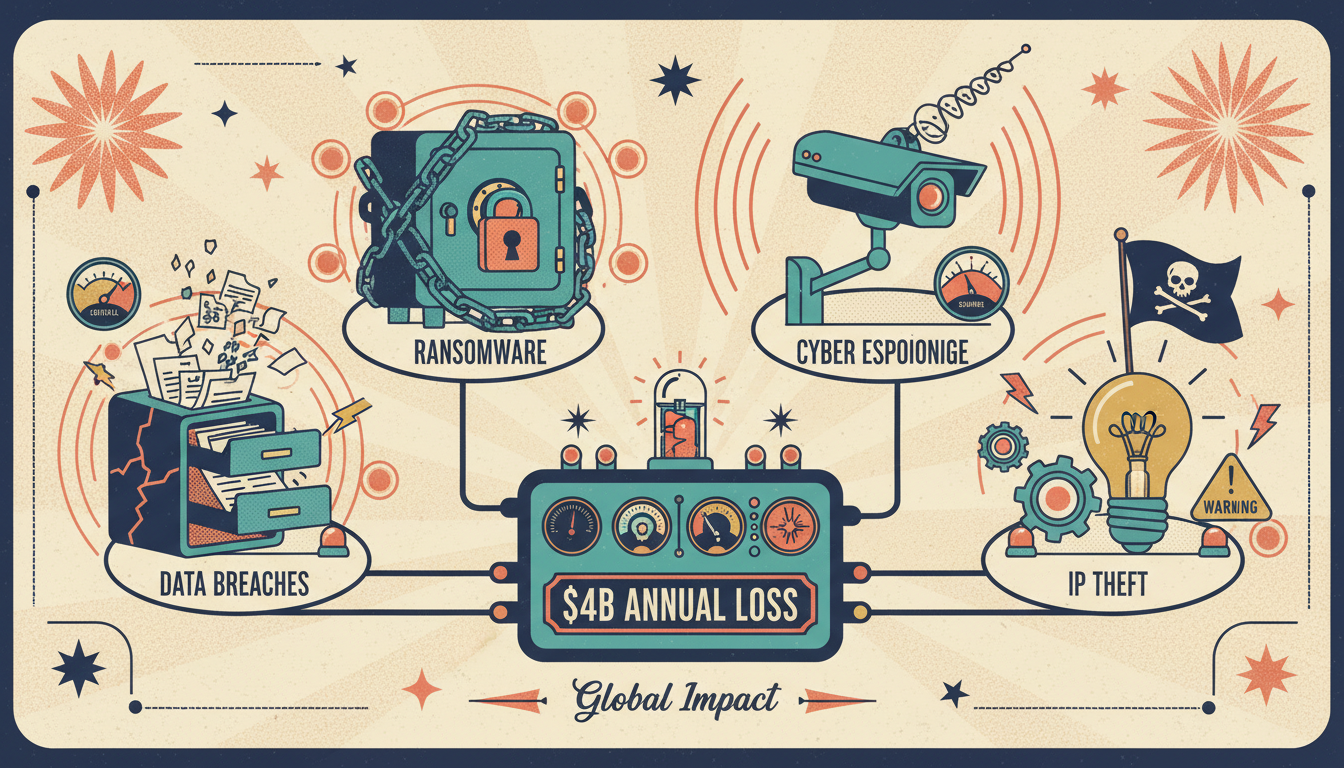
- Economic Impact: Cyberattacks cause substantial financial losses through data breaches, fraud, and service downtime, limiting resources for digital infrastructure investment.
- Data Breaches: Loss of sensitive information erodes consumer trust, discouraging digital transactions and adoption.
- Intellectual Property Theft: Lack of protection discourages innovation as creators fear theft of their ideas.
- Cyber Espionage: Government and critical infrastructure breaches threaten national security with potential diplomatic and economic consequences.
- Ransomware Attacks: Healthcare and municipal systems face service disruptions and significant economic losses.
Impact on Digital Growth
Africa loses approximately $4 billion annually to cybercrime. During Q2 2022, cyberattacks increased 234% compared to the previous quarter, utilizing phishing, scams, and social engineering tactics.
Effects on digital expansion:
- Individuals and businesses hesitate to embrace digital solutions due to security fears
- Foreign investment decreases in markets perceived as vulnerable
- Startups lack resources to protect digital assets, stifling innovation
- Financial losses divert funding from infrastructure and training
Steps to Bridge the Gap
Addressing the cybersecurity gap requires:
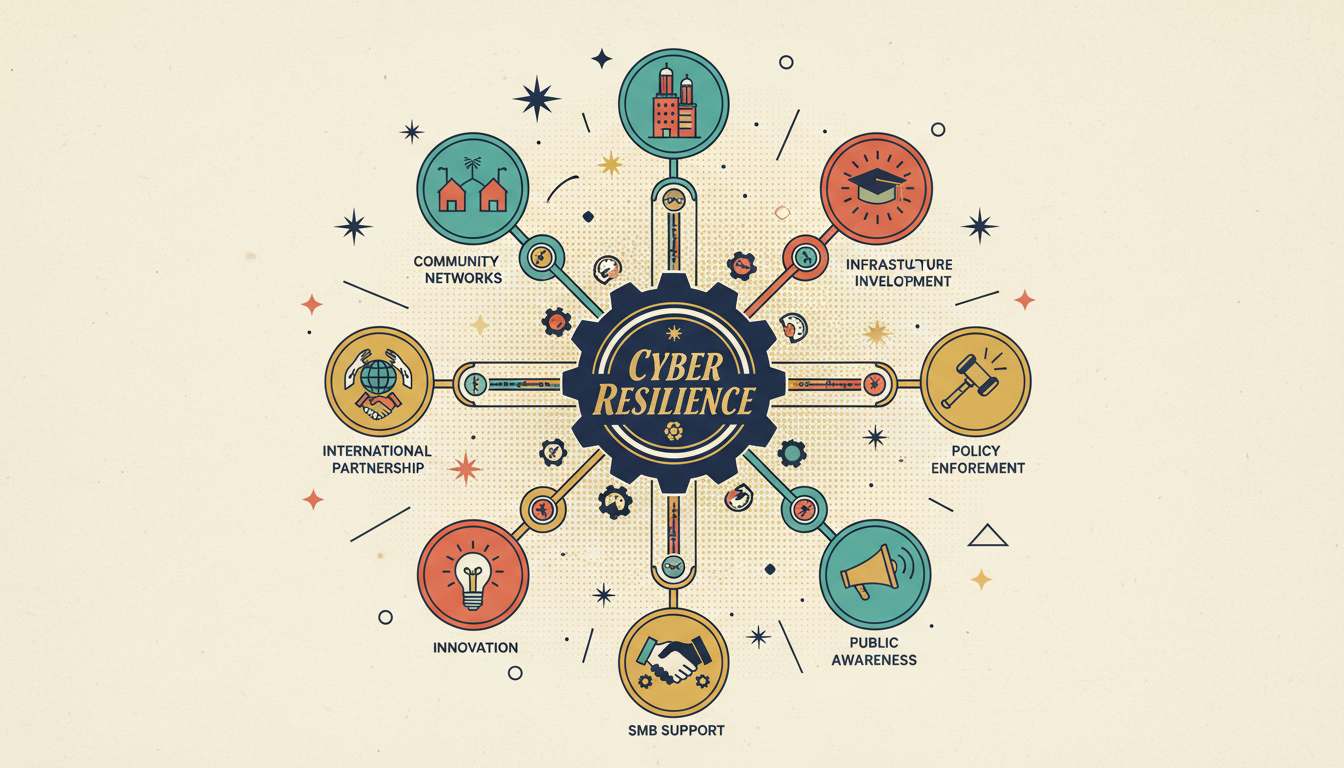
- Investment in robust cybersecurity infrastructure including firewalls and encryption
- Cybersecurity education and workforce development
- Government, business, and civil society collaboration through public-private partnerships
- Development and enforcement of cybersecurity laws and data protection standards
- International cooperation and threat intelligence sharing
- Public awareness campaigns on safe online practices
- Support for small businesses and startups
- Local innovation in cybersecurity solutions
Conclusion
Africa's digital growth demonstrates significant potential, but cybersecurity gaps threaten this progress. The continent must invest comprehensively in security infrastructure, education, and collaboration to secure its digital future and realize its economic potential.