
Empowering People and Data for AI Transformation in Telecom Companies
Introduction
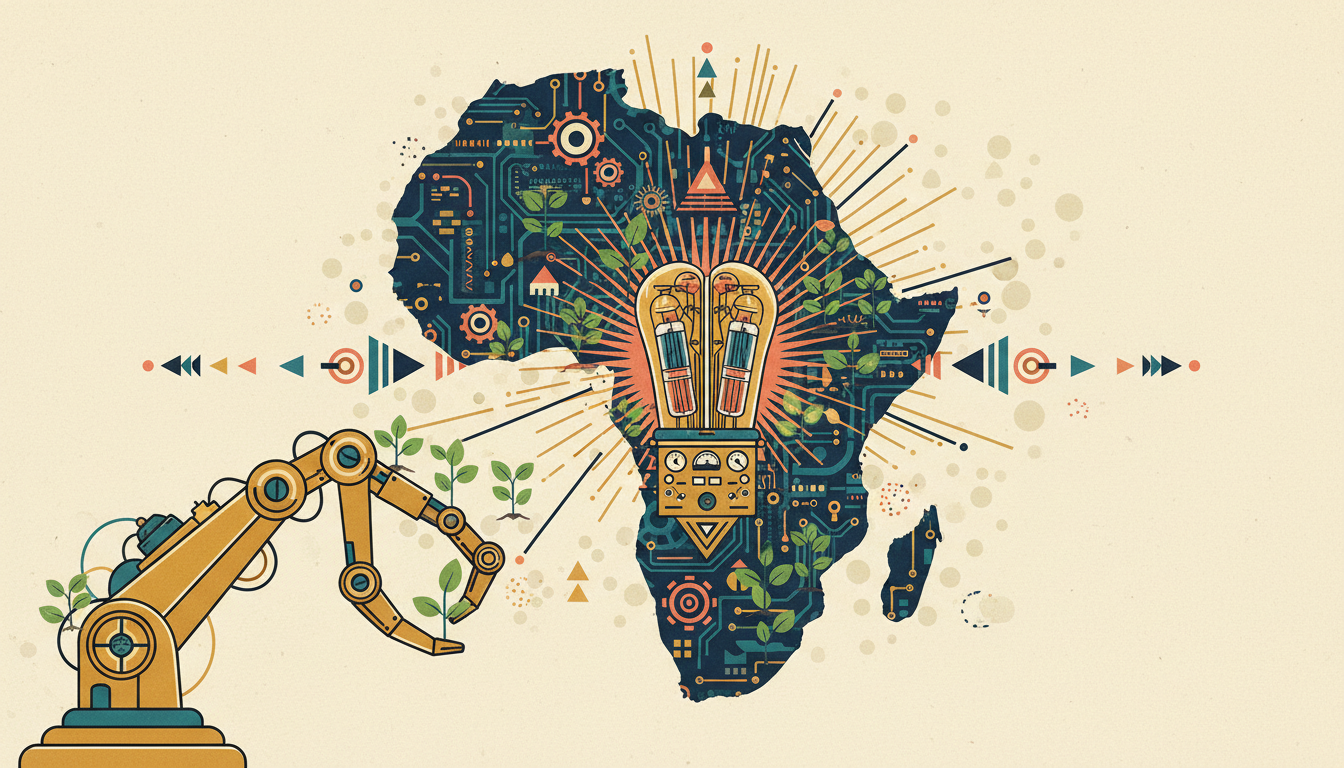
In telecommunications, artificial intelligence has emerged as a transformative force capable of revolutionizing operations, enhancing customer experiences, and driving business growth. However, this transformation extends beyond technology alone — it represents a convergence of human expertise and data-driven insights that unlock AI's true potential.
As telecom companies navigate digital disruption, the synergy between human intelligence and operational data becomes essential. This article examines how people, data, and AI work together to propel the telecommunications industry toward innovation, efficiency, and enhanced connectivity.
The Pivotal Role of People
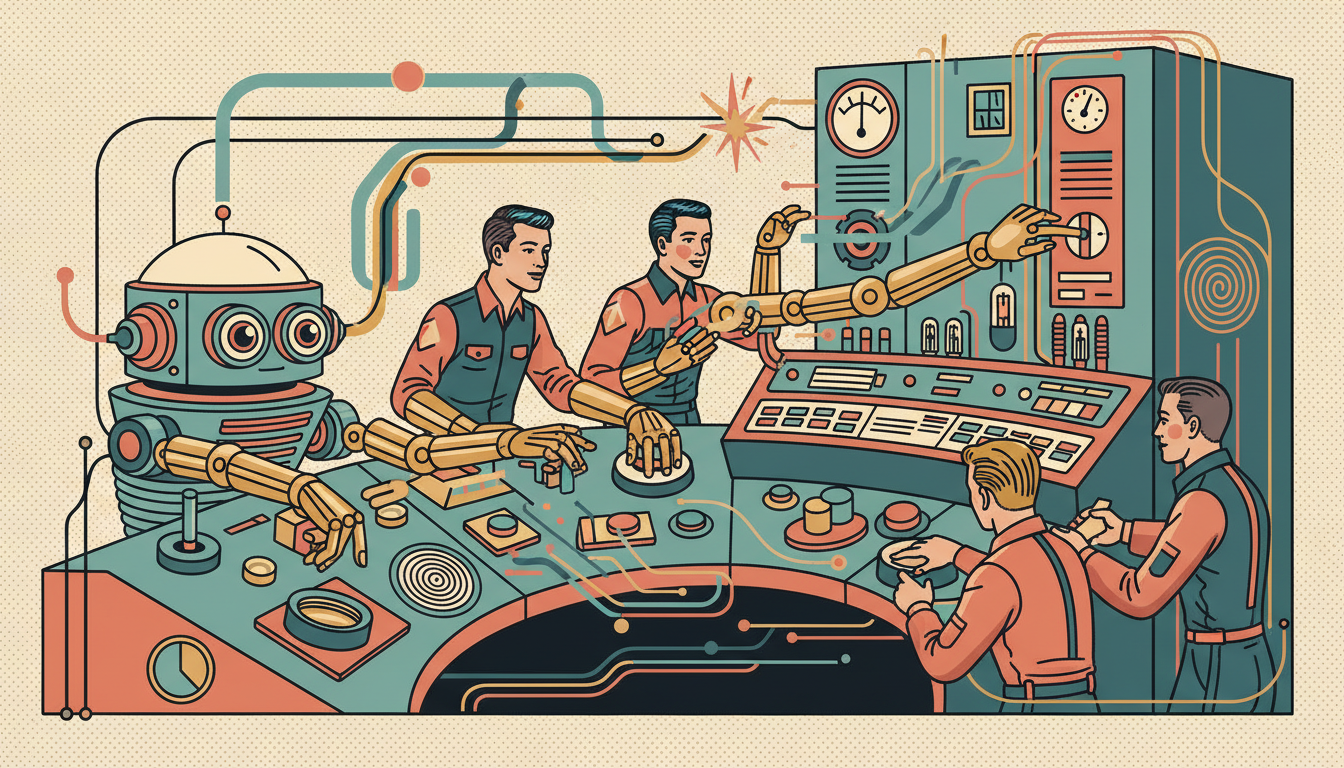
Human expertise drives AI transformation in telecommunications. Employees bring essential skills, judgment, and contextual understanding that ensure AI functions as a strategic business driver rather than merely a technological tool.
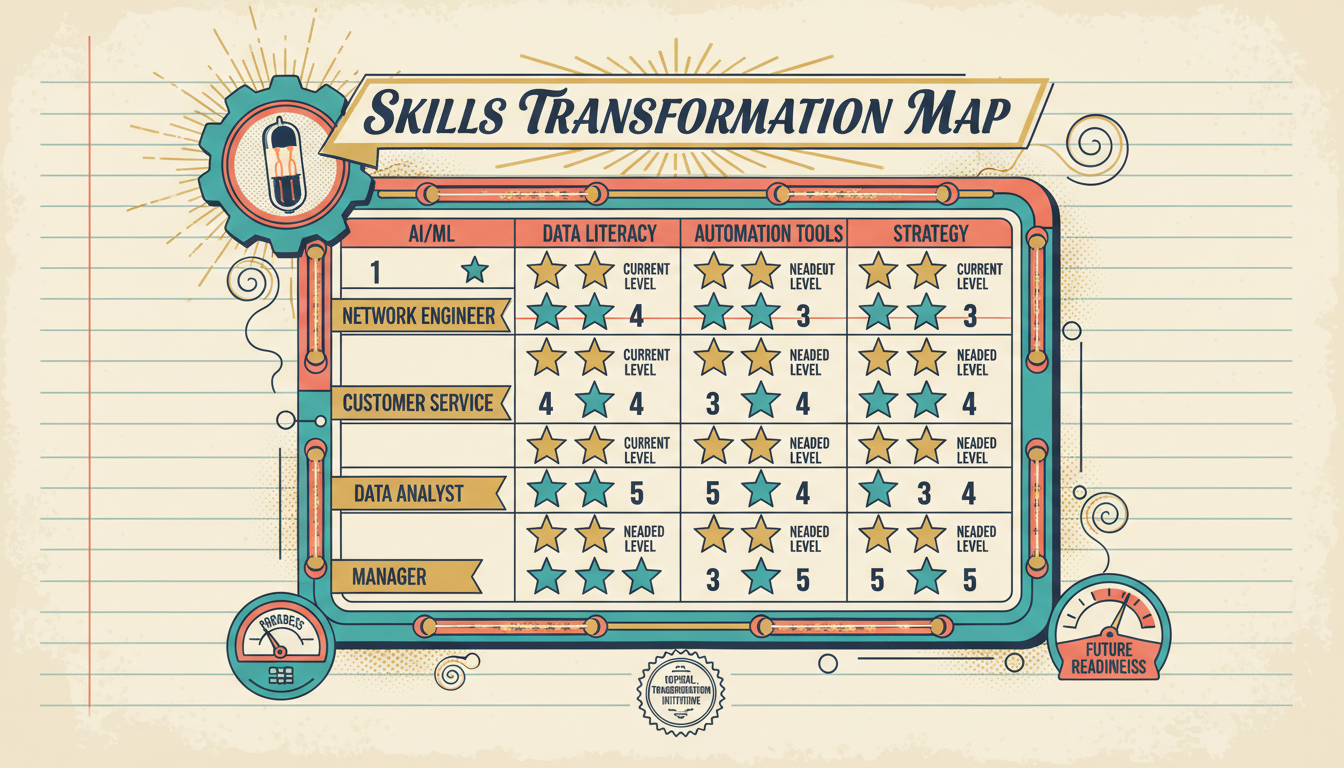
Organizations must recognize that employees who feel their professional identities are threatened by AI are more resistant to its adoption, and less likely to use and derive value from it. Empowering staff through training programs enables them to interpret AI insights, make informed decisions, and apply AI capabilities to industry-specific challenges.
Three ways people unlock AI potential:
- Human Expertise: Industry knowledge guides AI development, ensuring alignment with business goals, customer needs, and regulatory compliance
- Human Judgment: Contextual interpretation transforms raw AI insights into actionable intelligence by considering market conditions, feedback, and regulatory factors
- Human Interaction: Building trust and acceptance among employees and customers ensures seamless AI integration into workflows and customer experiences
Data as the Fuel for AI Transformation
Data represents the foundation enabling AI systems to learn, analyze, and make predictions. Telecom companies generate vast datasets from network operations, customer interactions, and device usage that, when leveraged effectively, fuel AI solutions optimizing network performance and personalizing customer experiences.
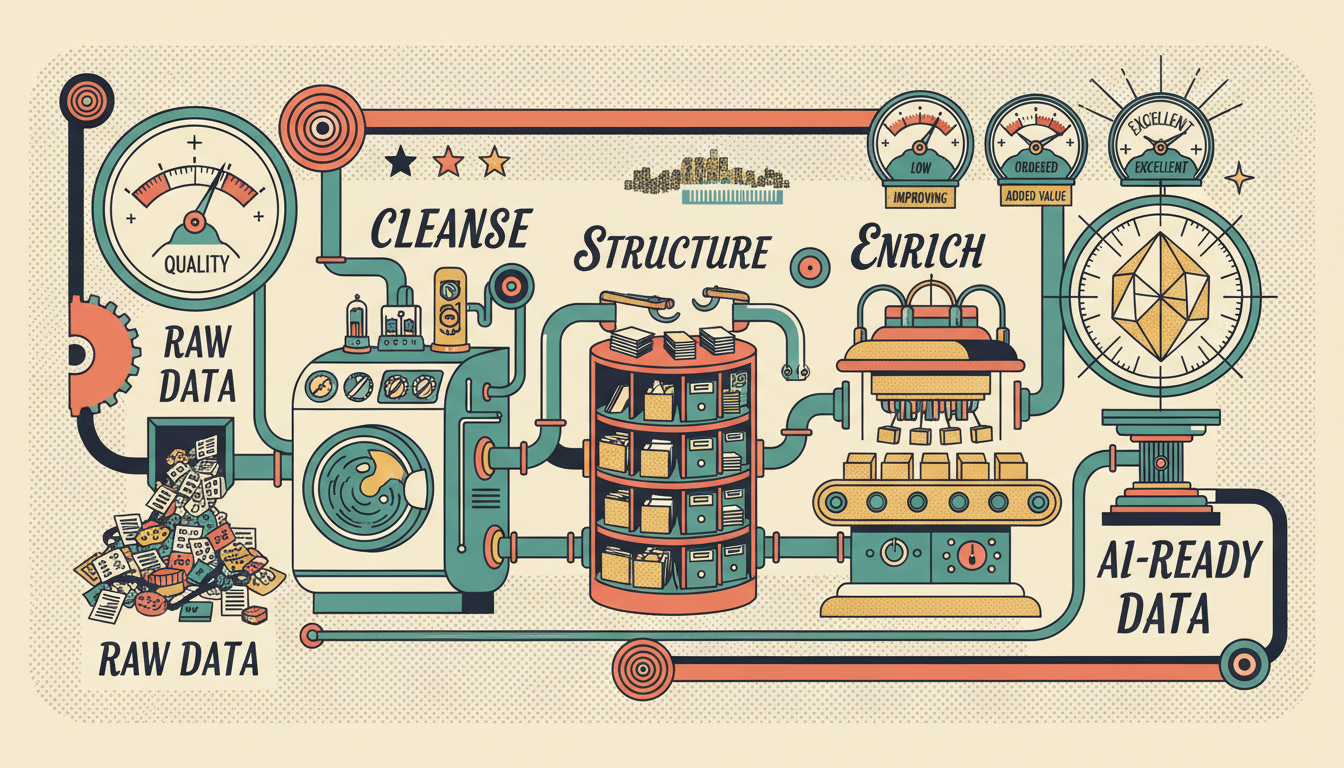
The richness and diversity of telecom data creates a virtuous cycle where AI both consumes and enhances data quality over time. Incorporating external data sources through collaboration strengthens foundational datasets for AI applications.
Three essential data attributes:
- Data Quality: Investment in governance frameworks, cleansing processes, and monitoring tools ensures accuracy, consistency, and reliability
- Data Democratization: Broadening access across data scientists, analysts, and frontline employees fosters data-driven decision-making and innovation exploration
- Data Ethics: Establishing privacy measures, ensuring algorithmic fairness, and maintaining transparency about AI use protects stakeholder interests
The Symbiotic Relationship
AI transformation represents a symbiotic relationship where people guide AI's direction and ensure responsible implementation while data fuels algorithmic innovation. Human expertise and intuition shape the context in which AI operates, ensuring outputs align with business objectives and ethical considerations.
The colossal data volumes generated by telecom operations provide dynamic material for AI insights. This synergy between human intelligence, curated data, and advanced algorithms creates powerful transformative capabilities.
Conclusion
By harmonizing people and data, telecom companies unlock AI's full potential, transforming operations and enhancing customer experiences. This collaborative approach — where employees embrace continuous learning and robust data strategies incorporate both internal and external sources — positions AI as a strategic partner augmenting human capabilities.
The journey toward AI transformation transcends technology adoption, instead fostering a mindset recognizing people, data, and AI synergy as the driver of sustainable growth, resilience, and innovation in telecommunications.