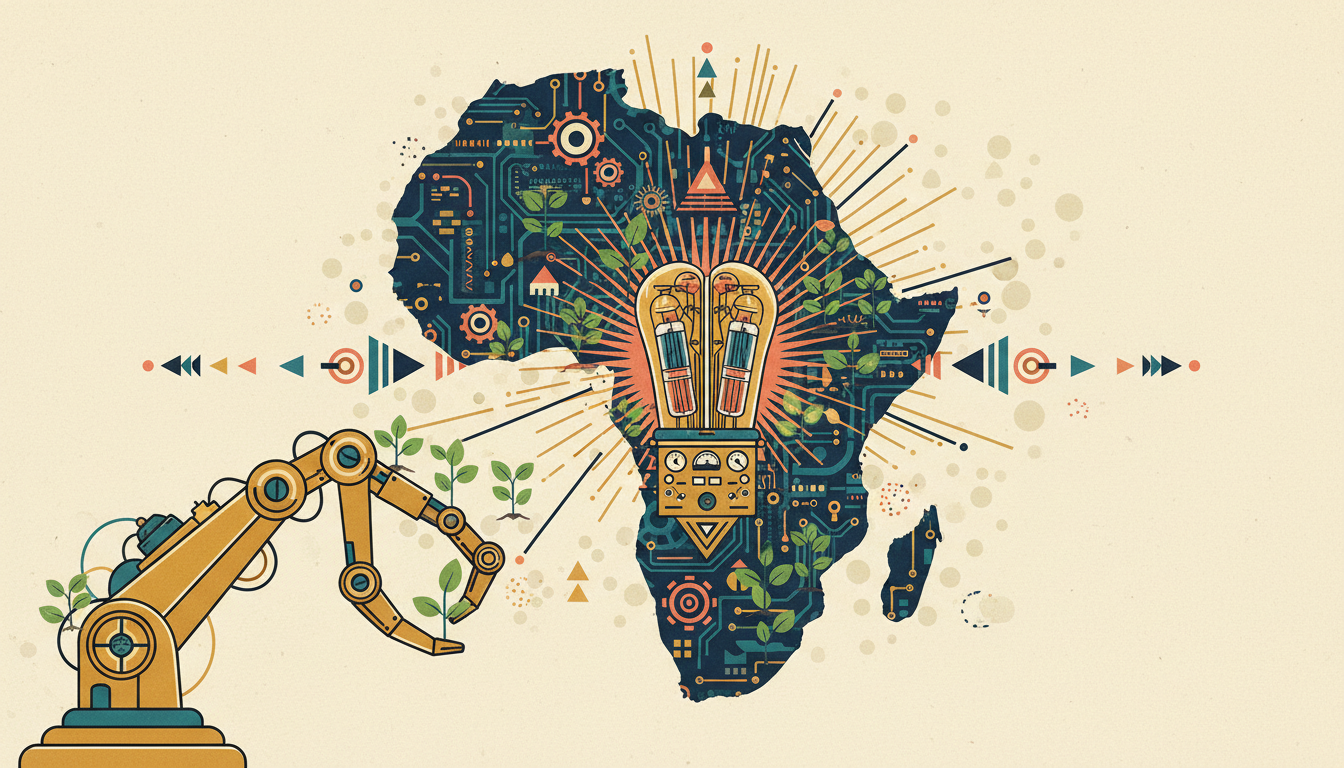


Digital Transformation Roadmap: How Telecoms are Evolving with 5G
Introduction
The telecommunications sector is experiencing fundamental change through 5G technology. Rather than simply enabling faster downloads, this transformation reshapes how society connects and innovates. Concepts previously confined to science fiction — autonomous vehicles, remote surgery, machine-to-machine communication — are becoming reality.
5G: The Engine of Hyper-Connectivity and Innovation
5G transcends speed improvements, fundamentally restructuring the telecom landscape. Features include ultra-low latency, expansive network capacity, and versatile connectivity solutions. These capabilities enable IoT real-time data transfer, augmented reality applications, and autonomous vehicle technology.
Big Data and AI: Unlocking Insights and Personalisation
Network-generated data and customer interactions present significant opportunities for extraction and analysis. Telecommunications providers employ big data analytics and AI to understand customer behavior patterns and customize experiences.
Embracing the Cloud: Redefining Infrastructure and Agility
Cloud infrastructure replaces traditional on-premises systems, delivering flexibility, scalability, and economic advantages. Telecommunications organizations are transitioning network functions and core operations to cloud environments.
Network Disaggregation and Open RAN
Rigid, integrated network frameworks cannot accommodate digital-age demands. Network disaggregation and Open RAN approaches decompose networks into modular, compatible components, reducing vendor dependency and fostering innovation.
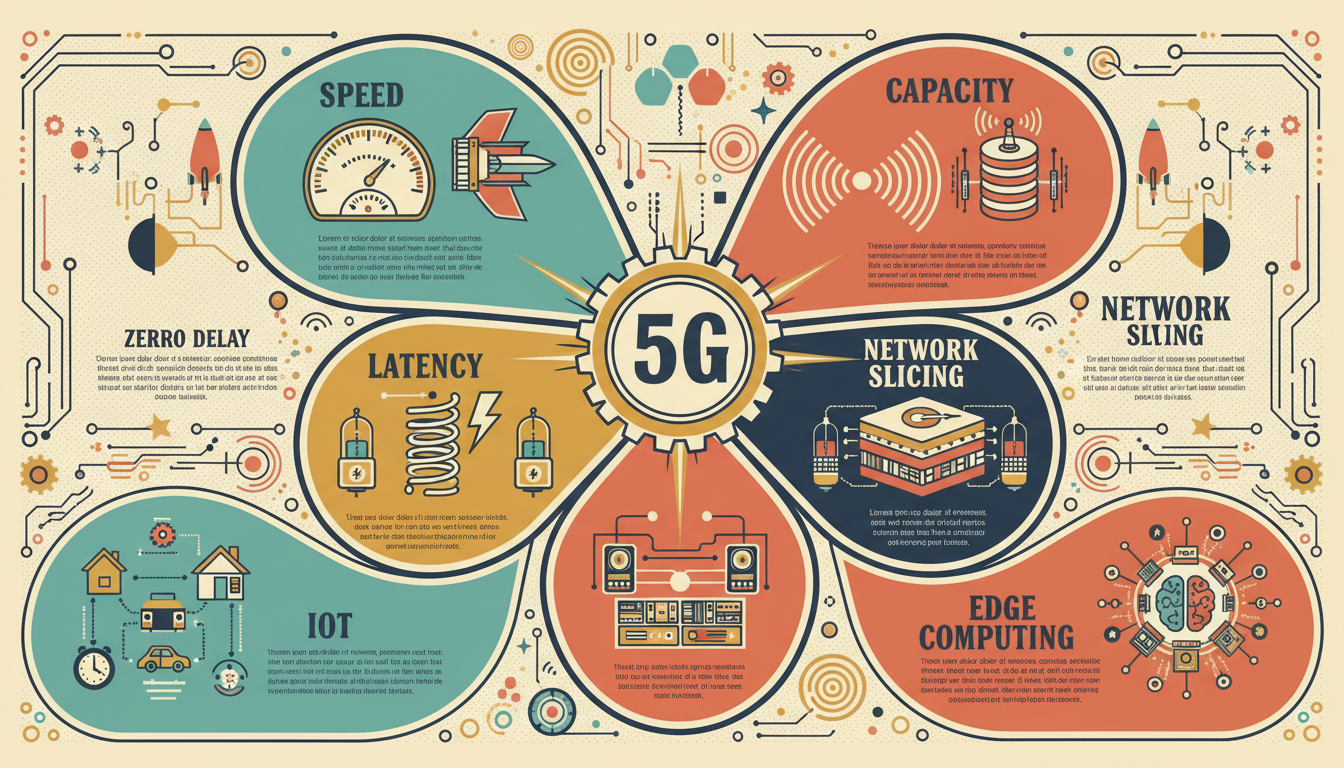
The Telecom Revolution: Adapting to the Hyper-Connected Future
- Cloud-based Networks: Reducing dependence on bulky infrastructure while leveraging cloud flexibility
- New Business Models: Beyond traditional data plan sales, 5G creates partnership opportunities with technology companies and content providers
- Prioritising Security and Privacy: Extensive data flow necessitates comprehensive security frameworks
Larger Impact
Businesses: Real-time production optimization through 5G sensors and seamless global worker collaboration.
Individuals: Remote patient monitoring, globally accessible virtual education, and connectivity expansion to underserved populations.
Society: Smart city infrastructure managing traffic, energy consumption, and emergency response in real-time.
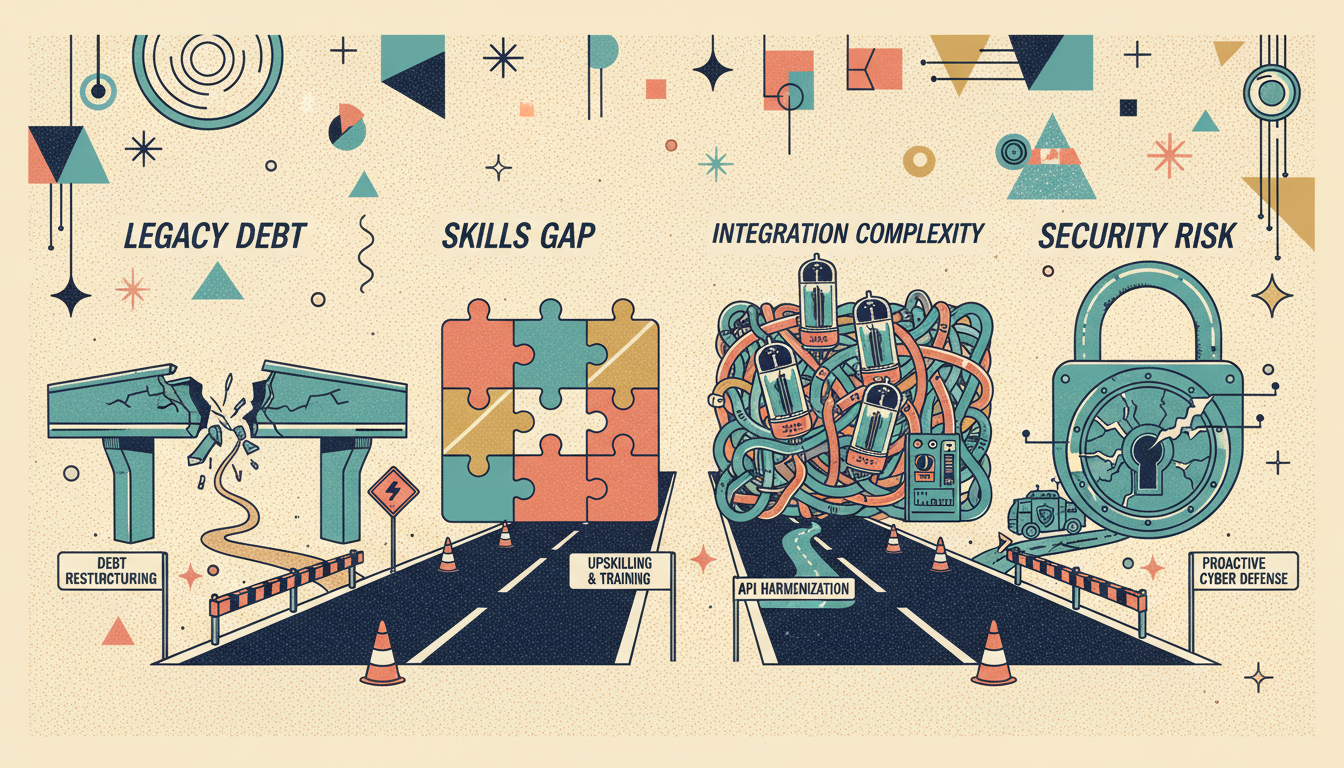
Challenges and Opportunities
- Infrastructure Rollout: 5G deployment requires substantial financial investment and regulatory navigation
- Digital Divide: Guaranteeing affordable, equitable access regardless of location or economic circumstances
- Unskilled Workforces: Digital transformation demands personnel proficient in AI, cloud computing, and cybersecurity
- Device Compatibility: Legacy devices remain prevalent, necessitating ongoing support for older networks
- Cybersecurity: Network interconnectedness introduces security vulnerabilities
Conclusion
By integrating 5G alongside cloud computing, AI, Open RAN, and IoT technologies, telecommunications providers can evolve from connectivity vendors into hyper-connectivity catalysts.