


Critical Issues Facing Telco Digital Transformation Projects
Digital transformation initiatives in the telecommunications sector represent complex, multi-year programs that face significant risks from misaligned priorities. Tactical demands often overshadow strategic transformation goals at executive levels.
Key Recommendations
The article identifies three essential elements for successful telco digital transformation:
1. Supply-to-Demand Side Modelling
Understanding customer positioning within solution delivery chains proves critical. For B2B and wholesale operations, this becomes particularly important:
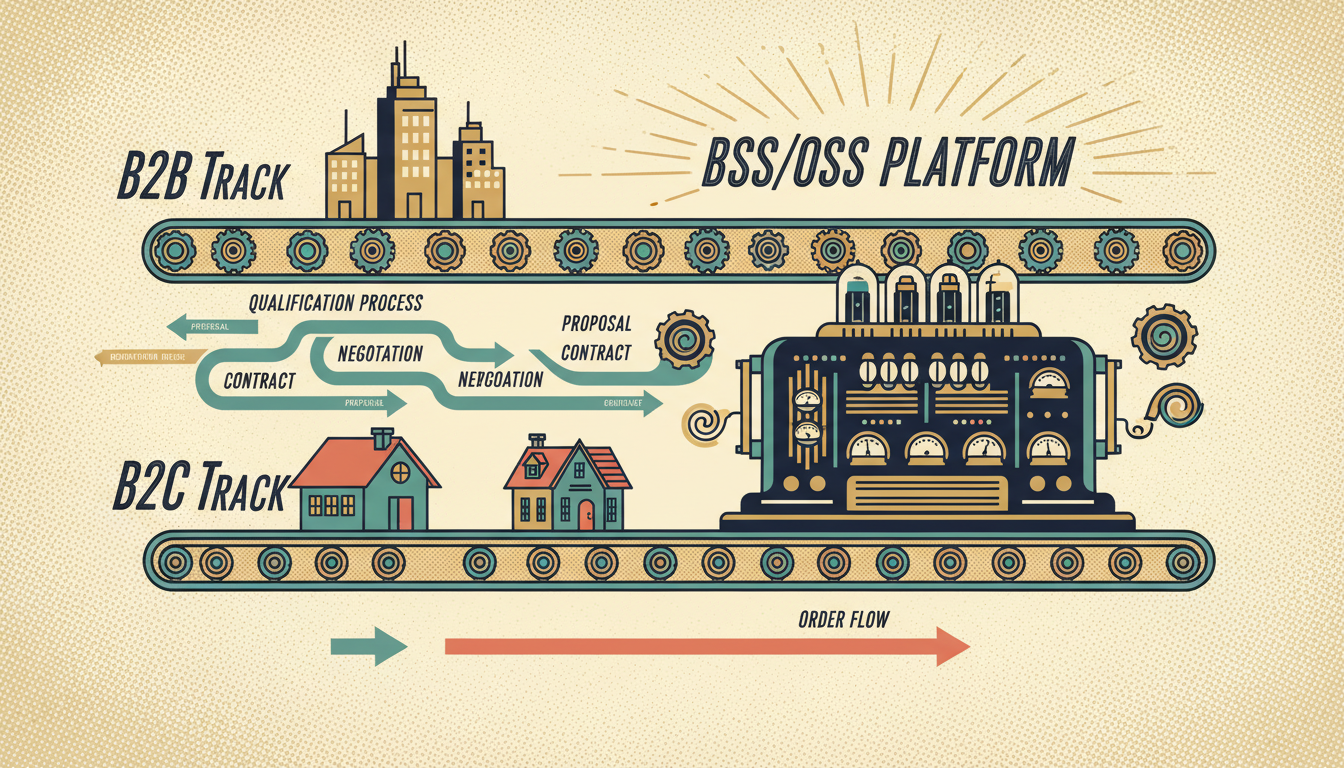
- Direct customers require understanding of how the provider fits within their supply chain, affecting their sales and fulfillment capabilities
- B2B buyers have different expectations regarding turnaround times and service qualification than consumer-focused businesses
- Appropriate tooling and automation must support these distinct requirements
2. Data Quality
Accurate data underpins customer feedback and automated qualification processes. The wholesale transmission sector requires focus on:
- Spatial location of resources and physical inventory management
- Service inventory enriched with customer data and SLAs
- Network-wide service-resource correlation models with performance metrics
3. Layered Architecture and Staggered Development Lifecycle
Telecommunications infrastructure traditionally moves slowly. A structured, tiered approach can accelerate change:
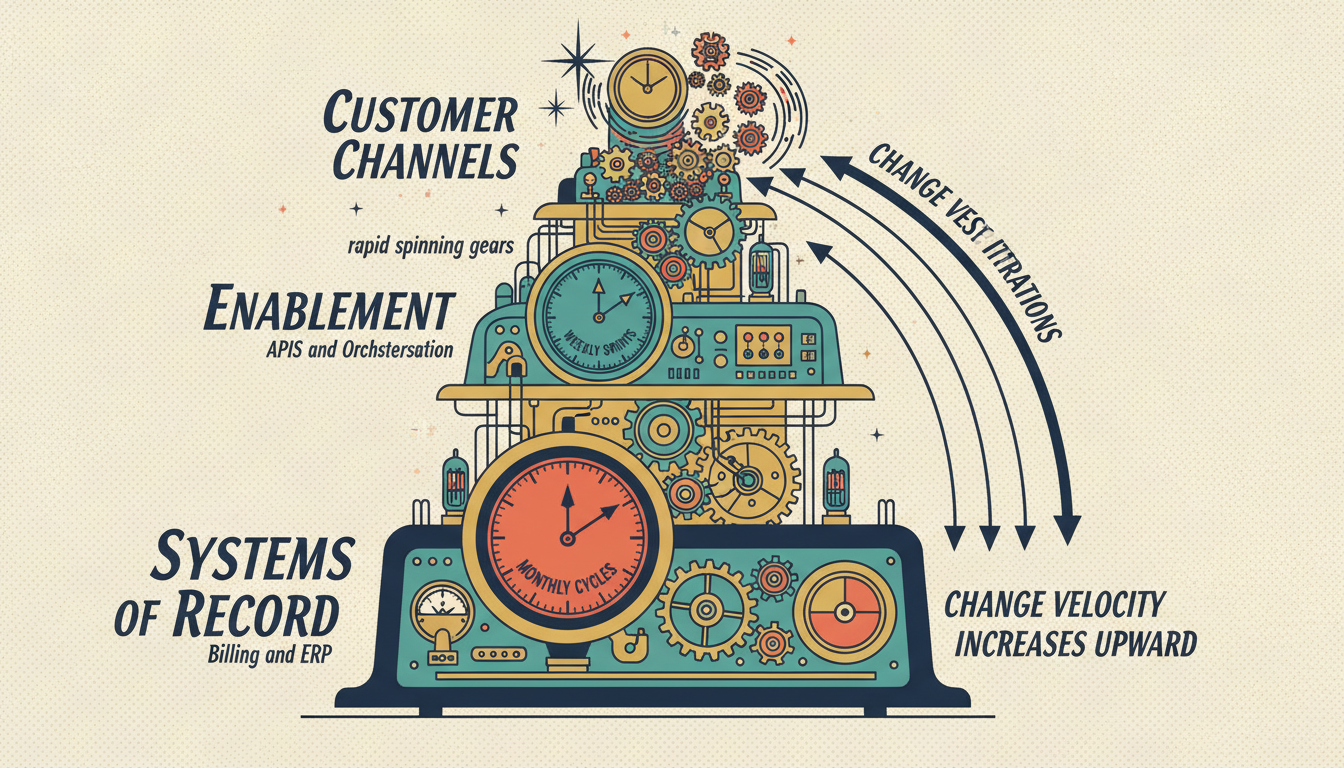
- Systems of Record: Billing and ERP systems maintain traditional enterprise-grade design processes
- Enablement Tier: Orchestration and APIs enable faster iteration through agile frameworks
- Customer Access Channels: Highest change velocity with relaxed governance, enabling A/B testing
Context
Historically, communication service providers operated in highly regulated environments with limited competition. Today's competitive landscape demands fundamental operational rethinking, particularly for organizations competing in service markets rather than pure infrastructure operations.