


Connecting Beyond Communication: Telcos Unleashing Opportunities in Education, Telemedicine, and Agriculture
Introduction
Today's telecommunications companies operate far beyond their traditional communication services. These organizations now serve as enablers of connectivity and catalysts for progress across multiple economic sectors, particularly in education, healthcare delivery, and farming.
Education: Enabling Access to Knowledge
Unequal educational access persists globally, especially in Africa and developing regions where students face barriers including geographic isolation and limited resources. Telcos can address this through:
- E-Learning Infrastructure: Providing high-speed internet and mobile connectivity for online classes and remote learning
- Content Partnerships: Zero-rating educational websites and apps to improve affordability
- Immersive Technologies: Investing in augmented and virtual reality for interactive learning experiences
- Personalized Platforms: Supporting adaptive learning systems addressing individual student needs
- Educator Training: Offering programs to help teachers integrate technology effectively
Telemedicine and Healthcare Expansion
Rural and underserved areas particularly suffer from healthcare access challenges. Telecommunications infrastructure enables:
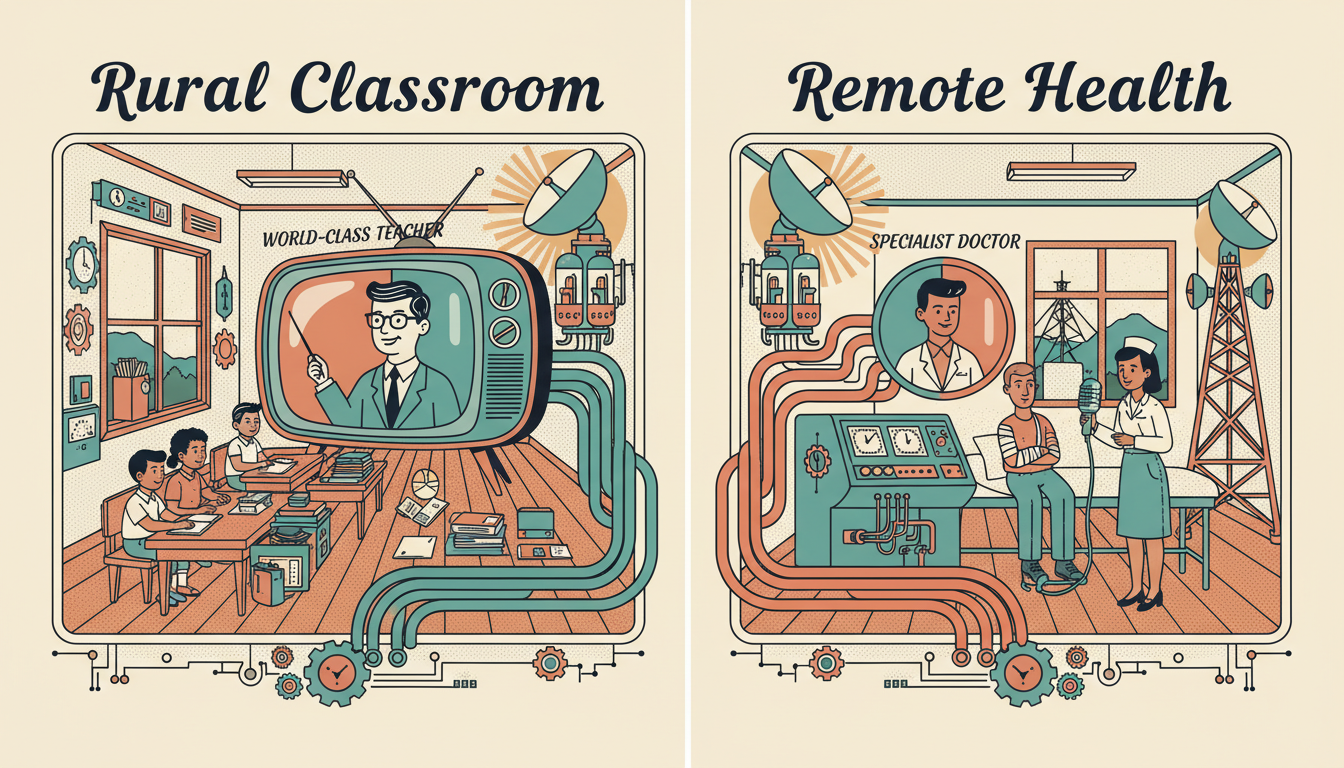
- Remote consultations between patients and providers
- Continuous vital sign monitoring through secure data transmission
- Digital prescriptions and health record systems
- Mobile health applications offering information and medication tracking
- Prioritized emergency communication networks
Agriculture: Productivity Enhancement
Farming represents a critical economic driver across Africa. Telcos advance agricultural development by facilitating:
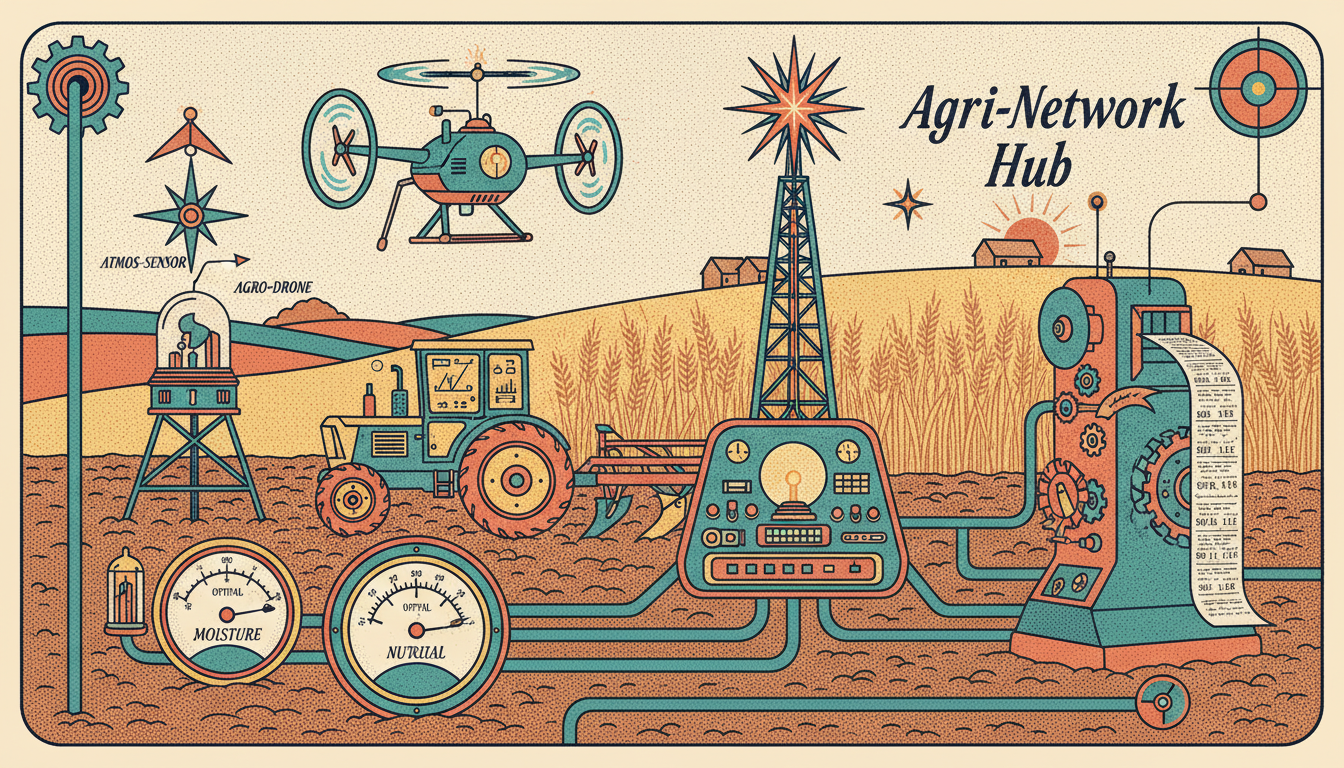
- IoT sensors delivering real-time soil and crop health data
- Mobile market information services helping farmers optimize pricing
- Mobile banking for agricultural financing and savings
- Weather forecasting tools for planting decisions
- Video-based expert consultation on crop management
Collaboration and Innovation Requirements
Realizing these opportunities demands partnerships among governments, institutions, providers, and organizations. Emerging technologies including 5G networks, satellite internet, and edge computing expand telco capabilities, particularly for real-time applications requiring low latency.
Overcoming Obstacles
Three primary barriers in Africa limit telecommunications expansion:
- Prohibitively expensive data pricing creating digital divides
- Limited rural infrastructure accessibility where investment returns remain minimal
- Deteriorating power infrastructure affecting telecommunications reliability
Despite these challenges, strategic planning and stakeholder commitment can unlock significant impact.
Conclusion
Telecommunications companies function as transformative forces reshaping education, healthcare, and agriculture. Through infrastructure investment and collaborative innovation, telcos position themselves as enablers of progress, fostering a brighter future across developing economies.