


Beyond Speed: How Will 6G Transform Industries?
Introduction
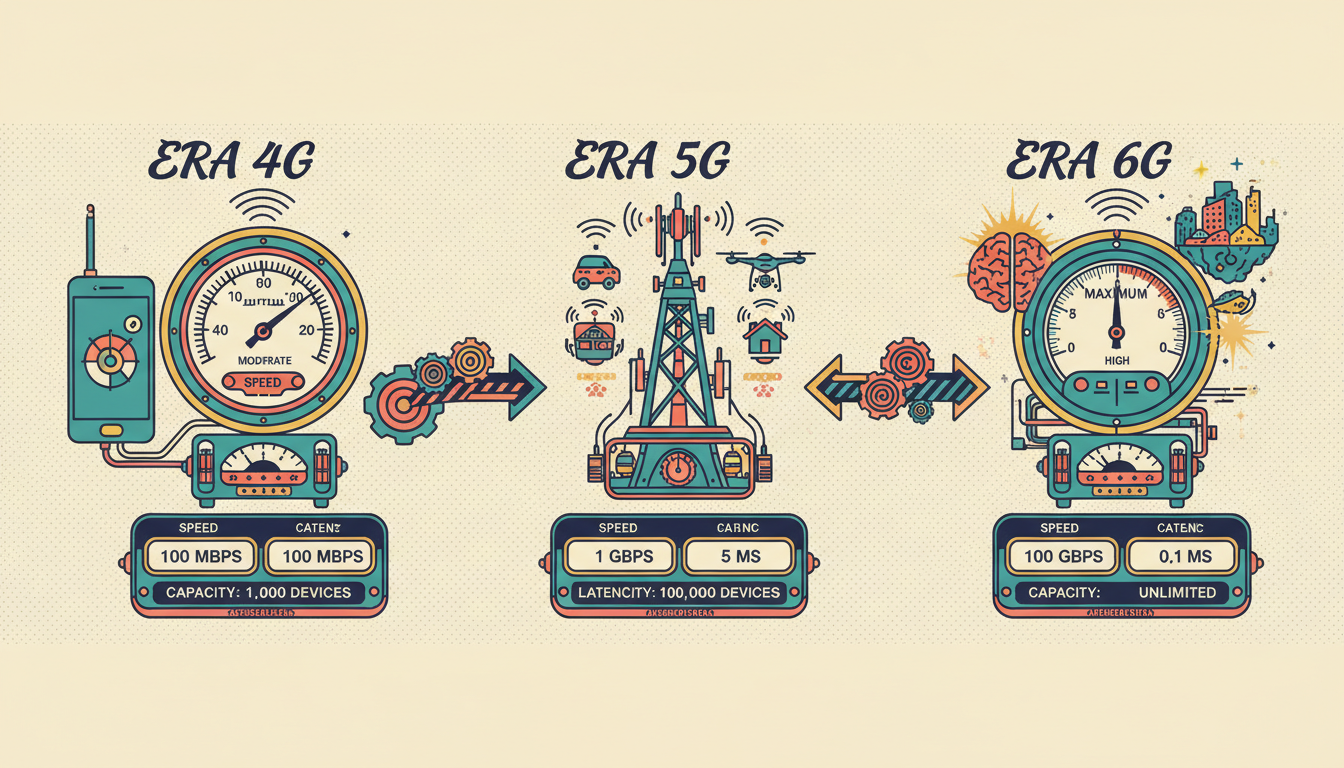
As global interconnectedness increases, reliance on mobile networks and internet connectivity continues expanding. Telecommunications evolution has accelerated, with each generation improving speed, latency, and connectivity. While 5G begins reshaping communication, forward-thinking telecom companies should explore 6G possibilities. Research suggests 6G deployment around 2030, though 5G adoption and monetization challenges may delay this timeline.
Beyond Faster Speeds: What 6G Offers
- Unprecedented Speeds: 6G could deliver terabit-per-second connectivity versus 5G's gigabit-per-second speeds, enabling real-time applications like augmented/virtual reality and holographic communications.
- Ultra-Low Latency: Potentially reducing latency to one millisecond or less, enabling split-second response applications like autonomous vehicles and remote surgery.
- Massive Device Density: Supporting enormous numbers of connected devices per square kilometer, crucial for IoT, smart cities, and industrial automation.
- Energy Efficiency: Increased efficiency extends battery life for IoT devices, sensors, and wearables with limited power sources.
- AI Integration: Machine learning will optimize network performance, enhance security, and enable predictive maintenance and personalized services.
Transforming Industries With 6G
Healthcare: Ultra-low latency enables remote surgery for patients thousands of miles away with near-zero delay.
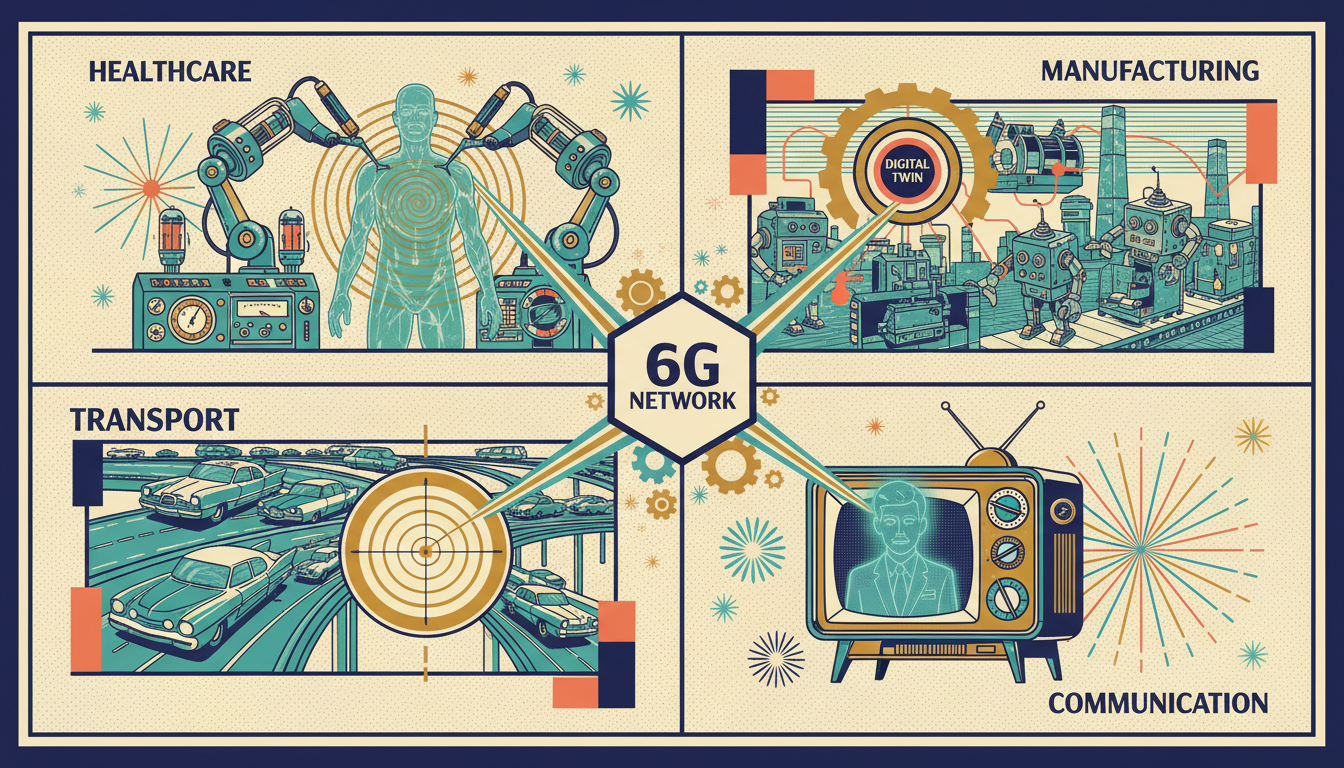
Transportation: Autonomous vehicles require split-second decision-making; 6G's low latency improves safety and efficiency through vehicle-to-vehicle communication.
Education: Immersive AR/VR experiences become more accessible, revolutionizing remote learning and training programs.
Entertainment: Seamless high-definition 3D hologram streaming and interactive experiences.
Manufacturing: Real-time monitoring and control of industrial processes increase efficiency and automation.
Preparing for 6G: Why It Matters
- Competitive Advantage: Early 6G investment attracts new customers and establishes market leadership.
- Market Leadership: Influencing standards and shaping industry future through early involvement.
- Monetization Opportunities: New capabilities create entirely new revenue streams and partnership possibilities.
- Global Connectivity: Bridging digital divides through high-speed, low-latency connectivity to underserved regions.
- Technological Resilience: Maintaining infrastructure and workforce advancement ensures market disruption resistance.
Research and Development in 6G
The International Telecommunication Union introduced the Draft IMT-2030 (6G) Framework Recommendation in June 2023. The World Radio Communication Conference in November 2023 established spectrum foundations. Technical specifications discussions commence in 2025, with the first 6G specification in 3GPP Release 21 expected by 2028 and commercial deployments around 2030.
Forward-thinking telcos can:
- Collaborate with Research Institutions: Partner with universities on 6G research through joint projects.
- Invest in Spectrum Exploration: Explore higher-frequency spectrum, including terahertz bands, understanding associated regulatory and technical challenges.
- Develop Use Cases: Identify industry-specific applications and conduct pilot projects demonstrating 6G value.
- Standardization Involvement: Engage with bodies shaping 6G standards to influence compatibility and global networks.
- Talent Acquisition and Training: Attract and develop expertise in 6G technologies for designing, deploying, and maintaining networks.
Conclusion
While 5G adoption continues, telecommunications industries already prepare for 6G. The transformative possibilities of terabit speeds, ultra-low latency, and advanced capabilities will reshape industries and daily life. For forward-thinking telcos, 6G preparation is essential — not optional.