
Beyond IoT: Embracing the Era of The Internet of Everything
Understanding the Internet of Everything: Beyond IoT
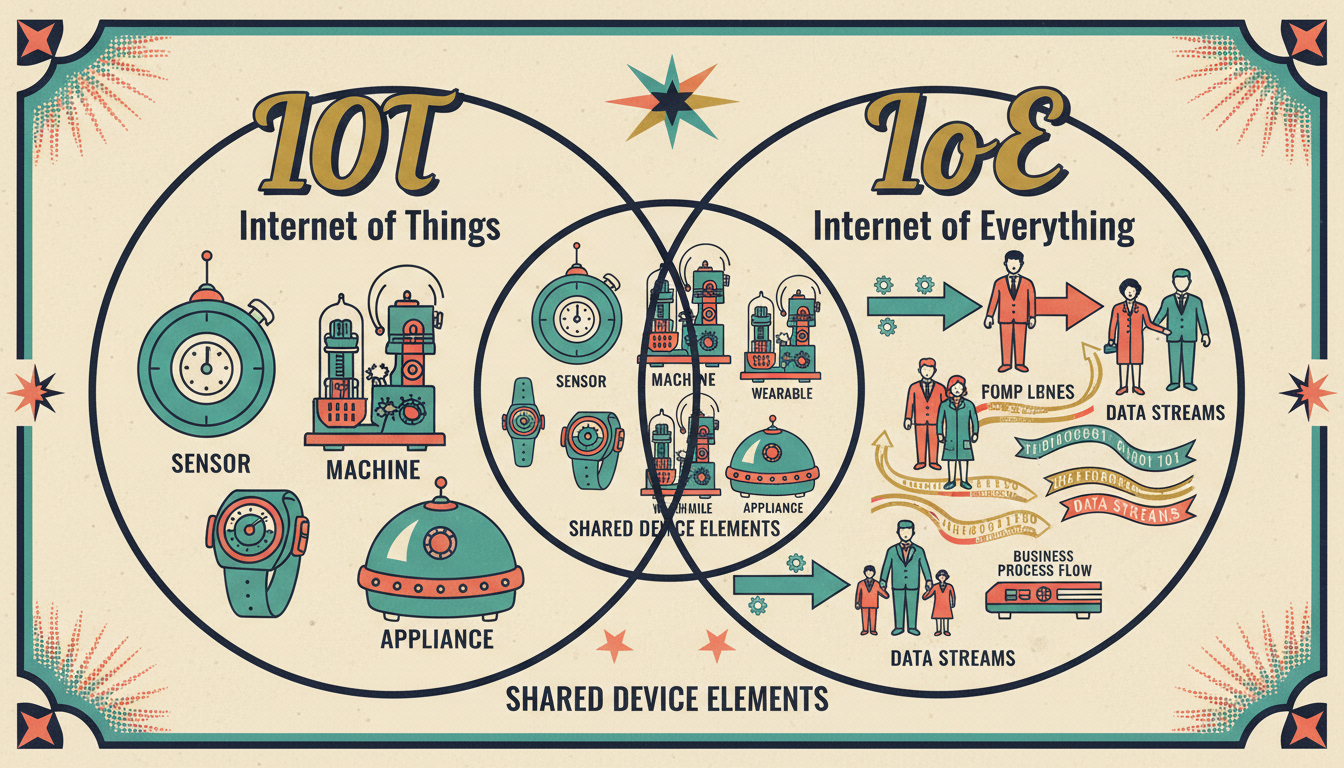
While the Internet of Things connects devices to the internet, the Internet of Everything (IoE) expands this concept significantly. Cisco is credited with originating the term, which encompasses the interconnection of objects, devices, machines, people, and even environmental systems into a vast network for data exchange and communication. IoE transcends traditional connectivity boundaries to create an integrated ecosystem.
Key Components of The Internet of Everything
- Devices and Sensors - Extensive arrays of devices from smartphones and wearables to smart appliances and industrial machinery collect and transmit data
- Data Networks - High-speed, low-latency networks like 5G and beyond enable rapid data exchange between systems
- Cloud Computing - Central processing hub for storing and analyzing massive data volumes generated by IoE devices
- Artificial Intelligence - Machine learning enables predictive analytics, automation, and real-time insights from vast datasets
- Security and Privacy - Encryption, authentication, and access controls protect sensitive data across extensive connectivity
The Significance of The Internet of Everything
- Industry Revolution - IoE can transform healthcare, transportation, agriculture, manufacturing, and other sectors through efficiency improvements and cost reduction
- Data-Driven Insights - Telecom companies can optimize network operations and improve user experiences through behavioral and performance data
- Scalable Networks - IoE connectivity demands drive network expansion and optimization with scalability as a primary focus
- Edge Computing Growth - Data processing closer to the source reduces latency and enables real-time decision-making, impacting network architecture
- New Revenue Models - Telecom companies can develop innovative business models through IoE connectivity services and strategic partnerships
Internet of Everything Use Cases
Smart Cities - Efficient traffic management, waste collection, and energy consumption with environmental monitoring
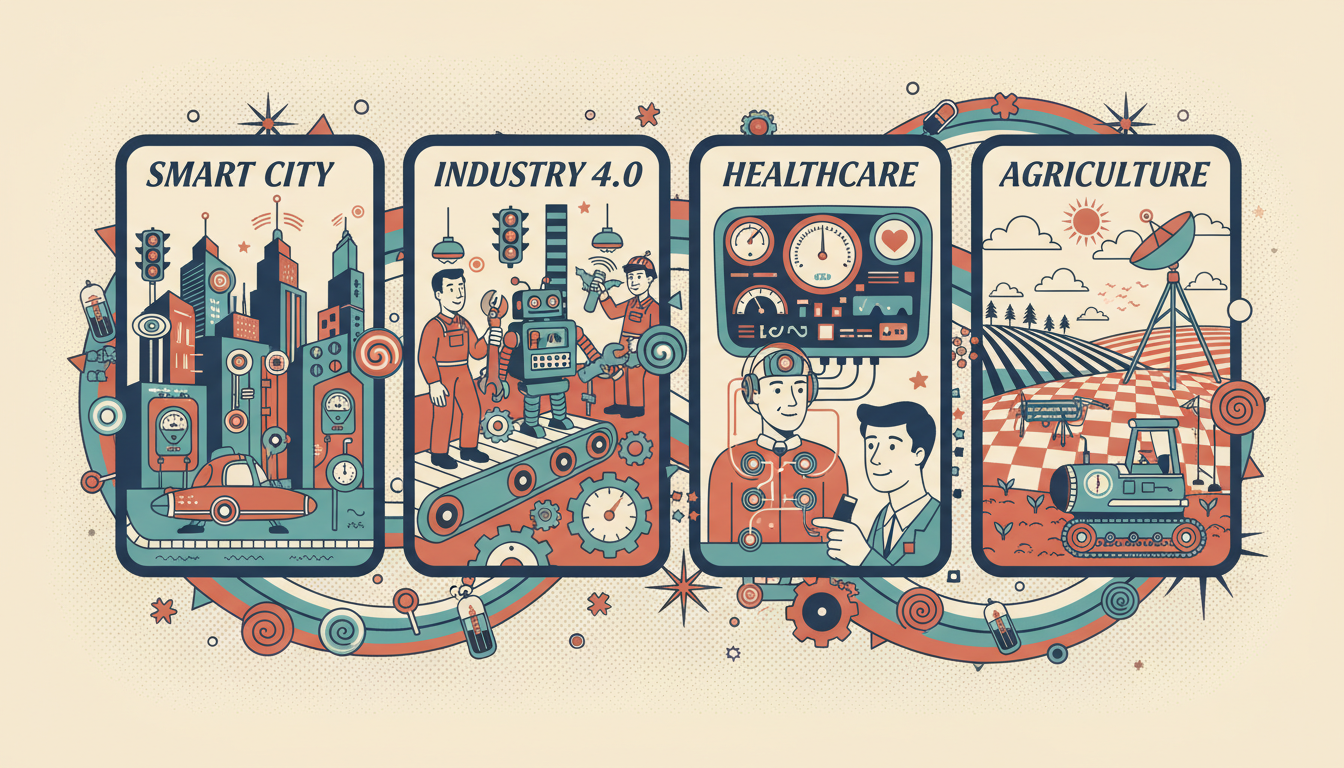
Healthcare - Real-time vital sign monitoring enabling remote care, particularly beneficial for elderly and chronically ill patients
Agriculture - Precision farming through soil condition, weather, and crop health monitoring to increase yields sustainably
Manufacturing - Industrial automation streamlines processes, reduces equipment downtime, and improves product quality
Retail - Smart inventory management and personalized shopping experiences enhance efficiency and customer satisfaction
Challenges and Considerations
- Security Concerns - Extensive connectivity increases cyber threat exposure, requiring robust protective measures
- Privacy Issues - Balancing data collection for insights with user privacy protection presents significant challenges
- Regulatory Compliance - Industry and regional regulations require adherence across various sectors
- Network Reliability - System outages or disruptions could have serious consequences as IoE becomes integral to daily operations